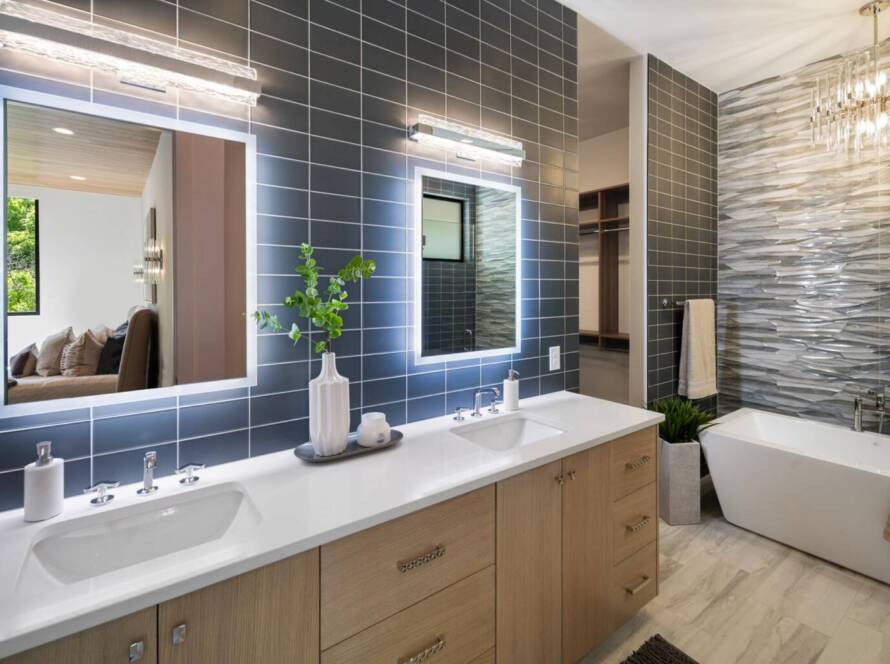
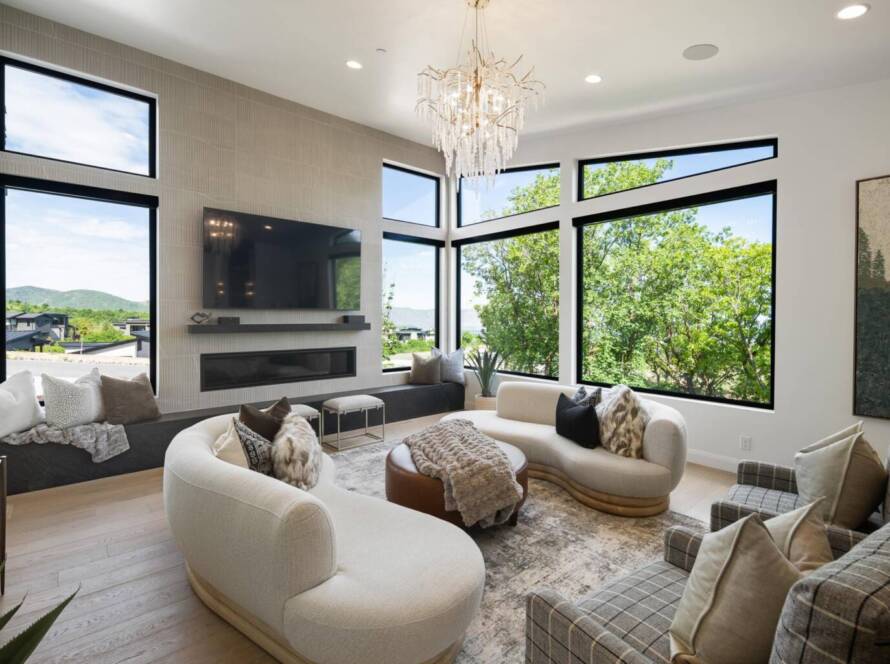
You have found your lot in Alpine, secured land near the Wasatch foothills, or finally locked down that long-coveted parcel in Draper or Mapleton. Now comes the decision that will shape the next chapter of your family’s life: do you build with a production builder who promises speed and predictability, or do you invest in a fully custom home built around your specific vision?
It is a question Utah County families wrestle with more than ever. As communities like Lehi, Saratoga Springs, and South Jordan continue to expand with large-scale production developments, an increasing number of buyers are stepping back and asking a harder question – not just ‘how much?’ but ‘what do we actually want to own for the next 30 years?’
For many, the answer leads them to custom construction. Here is why.


What Is the Real Difference?
At its core, production builders work from a fixed catalog. You pick from pre-approved floor plans, select from tiered finish packages, and close within a predetermined timeframe. The process is streamlined because the builder has repeated it dozens or hundreds of times. Custom home building is a fundamentally different engagement. Your builder starts with your land, your lifestyle, and your vision, then constructs a home that has never existed before. Every structural decision, every material choice, every room layout serves your family’s specific needs rather than a standardized buyer profile. In Utah County, where terrain and community character vary dramatically from Lehi’s flat valley floor to the pine-lined slopes of Mapleton or the ridge-top views in Summit Creek, this distinction matters enormously.Six Reasons Utah County Families Choose Custom
1. Your Land Has a Story – Your Home Should Too
Production homes are designed for flat, interchangeable lots in master-planned communities. But much of Utah County’s most desirable land is anything but standard. Hillside terrain in Springville, view corridors in Highland, or irregular parcels adjacent to open space require design thinking that a catalog floor plan simply cannot accommodate. A custom builder works with your specific topography, orientation, and surroundings to maximize what makes your land special – whether that is a panoramic view of Mount Timpanogos, natural light from the south, or privacy from neighboring homes.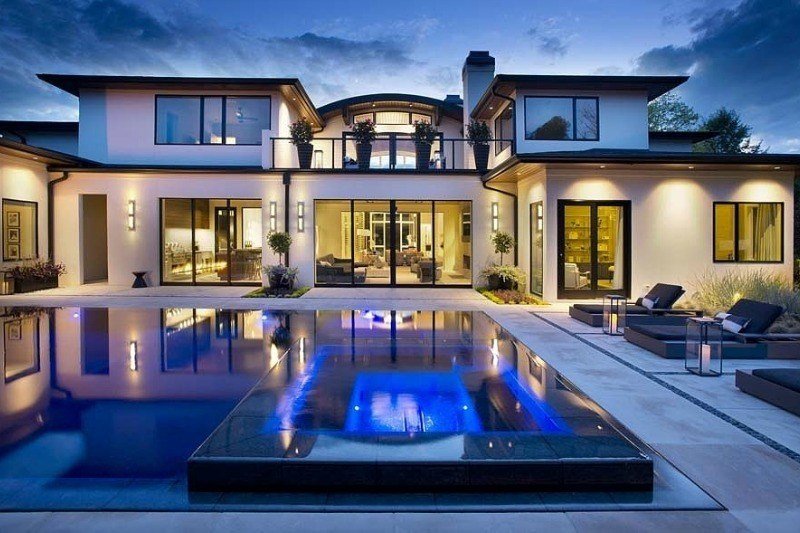
2. You Are Not Buying a House – You Are Building a Legacy
Many Utah County families who pursue custom construction are not just looking for a place to live. They are building a home they intend to pass down. A home where holidays happen, where grandchildren visit, where decades of family life accumulate. That long-term perspective changes every decision – from structural framing to finish selections. A generational mindset means choosing materials that age gracefully, systems that are serviceable and upgradeable, and layouts that adapt to a family’s evolving needs over 20, 30, or 50 years. Production homes are built to a price point and a market. Custom homes are built for you.3. Transparency Over Guesswork
One of the most common frustrations buyers report with production builders is cost opacity. Base prices often exclude features that feel standard – upgraded insulation, proper drainage systems, real hardwood versus engineered alternatives – and change orders can balloon a budget quickly. In a transparent custom build process, pricing is open from the start. You understand exactly what materials are being used, why specific systems are being specified, and where your investment is going. There are no hidden markup layers or surprise upgrade fees when you decide you want a walk-in pantry or a mudroom with built-ins.4. Design That Fits How Your Family Actually Lives
Production floor plans are optimized for a statistically average buyer. But your family is not average. Maybe you need a dedicated home office away from the main living area, a soundproofed music room, a mudroom large enough for athletic gear for four kids, or a primary suite wing that creates genuine separation from the rest of the house. Custom construction starts with how you live, not with a floor plan you are asked to live within.5. Material and Craft Quality You Can Actually See
There is a significant difference between what production builders call luxury finishes and what a boutique custom builder delivers. Production luxury typically means upgraded countertops and cabinet fronts within a standard structural shell. True luxury custom construction means engineered floor systems, premium framing standards, commercial-grade waterproofing, and finish trades who specialize in high-end work. In Utah County’s climate – with its freeze-thaw cycles, high UV exposure, and occasional seismic activity – the quality of what is inside the walls matters as much as what is visible from the street.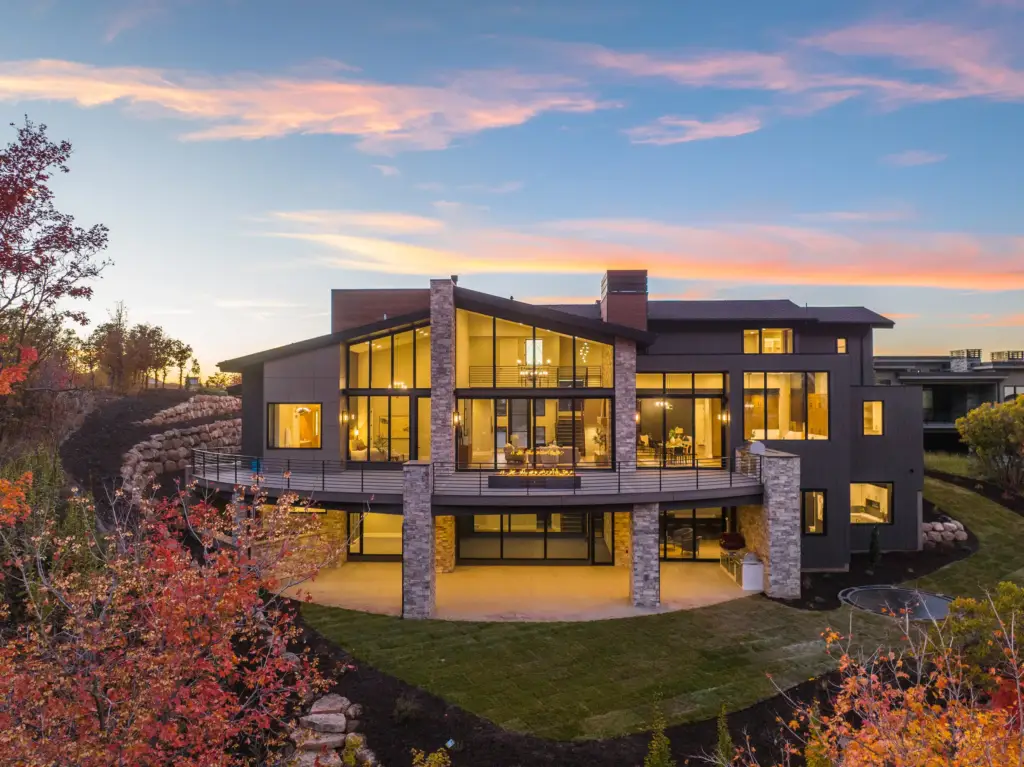
6. A Relationship, Not a Transaction
Buying a production home involves a sales team whose job ends at closing. Building a custom home involves a relationship with a builder who is accountable to you throughout the process and often beyond it. The best custom builders in Utah County approach each project as a long-term relationship. They want you calling them a decade from now with a referral or an addition project, which means they have every incentive to get everything right the first time.What Custom Home Building Looks Like in Utah County
The Utah County custom home market has matured significantly over the past decade. Communities like Alpine, Draper, Mapleton, Springville, and the mountain communities of Summit Creek have become destinations for families seeking larger lots, views, and custom construction quality. Custom homes in the area typically range from 3,500 to 8,000+ square feet, with builds in premium communities regularly reaching the $1.5M to $4M+ range depending on finishes, features, and lot character. The process typically spans 12 to 18 months from design completion to certificate of occupancy. Key considerations for Utah County custom builds include:- Lot orientation and solar access for energy efficiency in a high-UV environment
- Drainage and grading requirements, particularly on hillside lots
- HOA design review processes in communities like Summit Creek or Highland
- Geothermal potential and mechanical system planning for long-term efficiency
- Fire-resistant landscaping and exterior material choices near wildland-urban interface areas