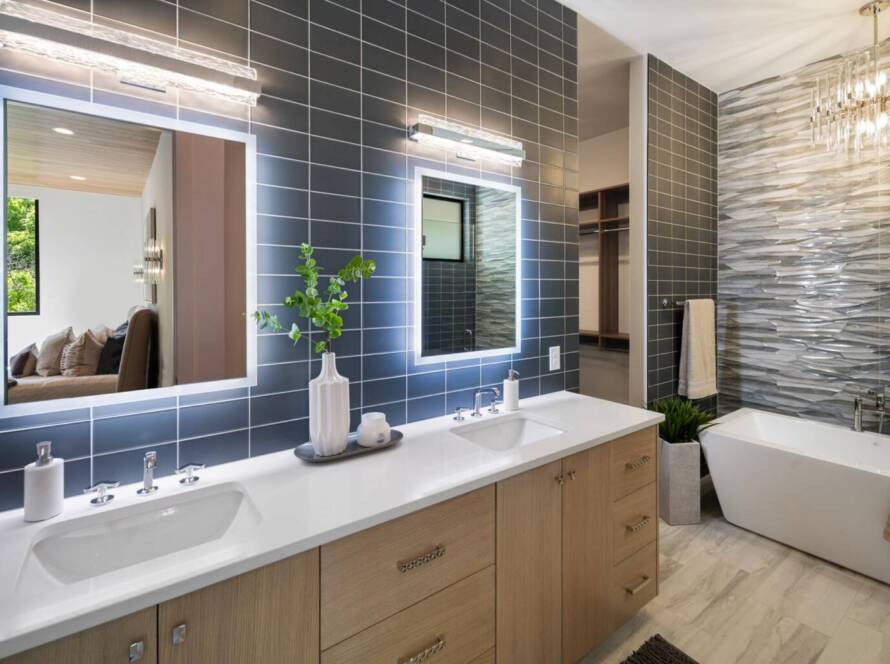
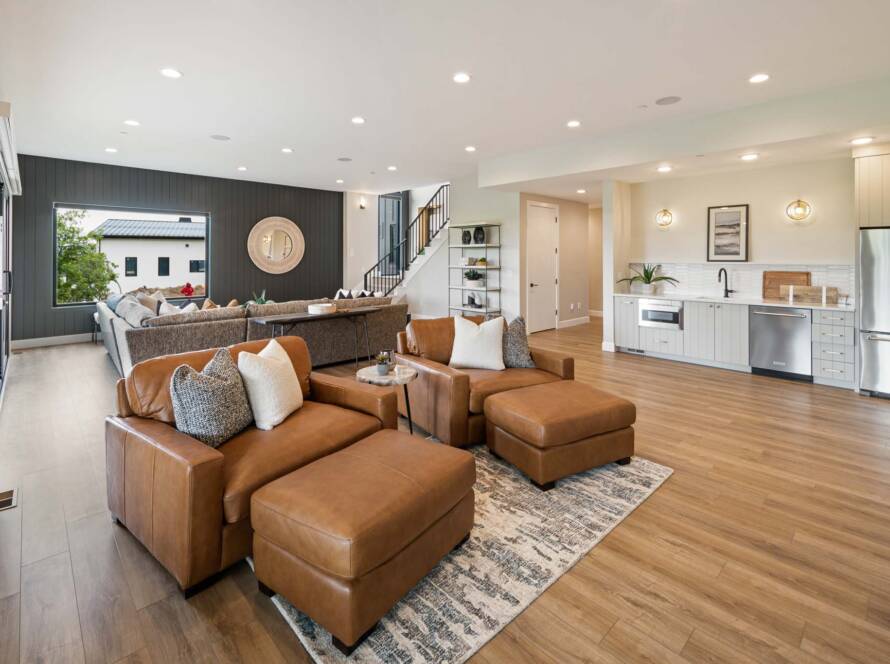
Among Utah County’s luxury custom home communities, Summit Creek occupies a distinctive position. Perched on the east bench above Springville, it offers a combination of terrain drama, view corridors, and community character that is genuinely difficult to replicate elsewhere in the valley.
For buyers who have done their homework on Utah County real estate, Summit Creek is not a consolation choice – it is often the first choice. The community attracts buyers who want mountain proximity without the full commitment of a rural property, views without sacrificing access to the Wasatch Front’s amenities, and a neighborhood where design quality is protected rather than left to chance.
But building well in Summit Creek requires understanding its specific characteristics. Here is what matters.



Terrain: The Greatest Asset and the Greatest Challenge
Summit Creek’s defining characteristic is its terrain. Lots here sit on hillside ground with significant grade changes, canyon adjacency, and in many cases, dramatic elevation changes from front to back or side to side. This topography creates the views and the natural privacy that make the community desirable – and it creates site-specific engineering challenges that a flat-lot builder is not equipped to handle. Key terrain considerations for Summit Creek builds include:- Site-specific geotechnical assessments – hillside soils require evaluation before foundation design
- Retaining structure design and engineering for grade changes between building pads and property edges
- Drainage planning – hillside lots concentrate water flow in ways that require engineered solutions
- Driveway grade and surface design for year-round safety, including winter ice management
- Grading plan integration with natural landscape preservation requirements
Views: Designing to Capture and Protect Them
The view corridors in Summit Creek – ranging from direct canyon views looking east into Hobble Creek Canyon to panoramic valley views looking west across Utah Valley – are the community’s primary value driver. A home designed without careful orientation to its specific view potential leaves significant value on the table. Effective view-oriented design in Summit Creek considers:- Primary living area orientation toward the best view corridor
- Window-to-wall ratios optimized for the specific views available from each lot
- Roof form and overhang design that frame views rather than blocking them
- Neighbor build-out analysis to understand which views are at risk from future adjacent development
- Landscaping that enhances privacy without compromising sightlines
The HOA Design Review Process
Summit Creek maintains design standards through an architectural review process that ensures new construction meets the community’s quality and aesthetic expectations. For buyers planning a custom home in the community, understanding this process early is important – it affects both timeline and design development. Key points to understand:- Submit preliminary design concepts early to surface any community guidelines that affect your design intent
- Exterior material specifications will be reviewed – understand approved material categories before finalizing selections
- Height and setback restrictions vary by lot – confirm your specific restrictions before advancing design
- A builder with prior Summit Creek experience will have navigated the review process before and can guide you through it efficiently
Structural Considerations for Hillside Construction
Foundation Systems
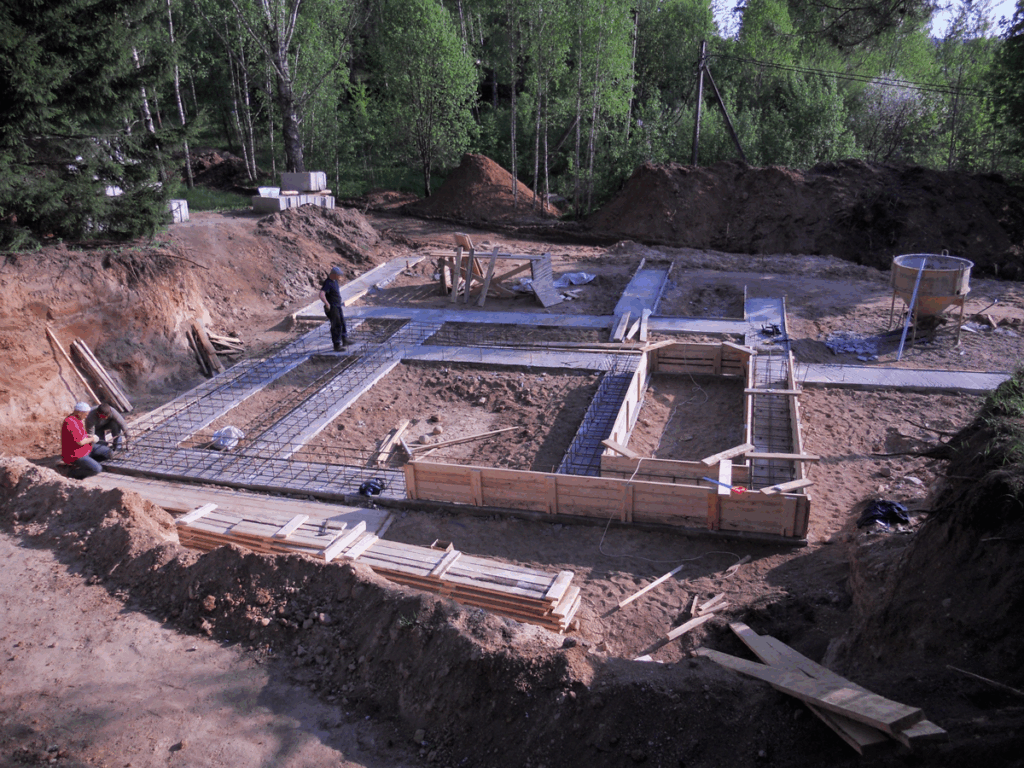
Hillside lots often require deep foundation systems – drilled piers, spread footings at multiple levels, or in some cases engineered stem walls – that respond to both the soil profile and the seismic requirements of the Wasatch Front location. Proper geotechnical investigation before design development is non-negotiable.Daylight Basement and Split-Level Configurations
Hillside terrain naturally accommodates daylight basement designs that create additional living space while responding to grade. A well-designed daylight lower level in Summit Creek can provide guest suites, recreation space, or home office space with natural light and direct outdoor access – far superior in livability to a traditional below-grade basement.Retaining Systems
Retaining walls and gravity structures are a significant component of most Summit Creek builds. These are not afterthoughts – they should be engineered as part of the overall structural system and designed to complement the home’s architecture rather than fighting it.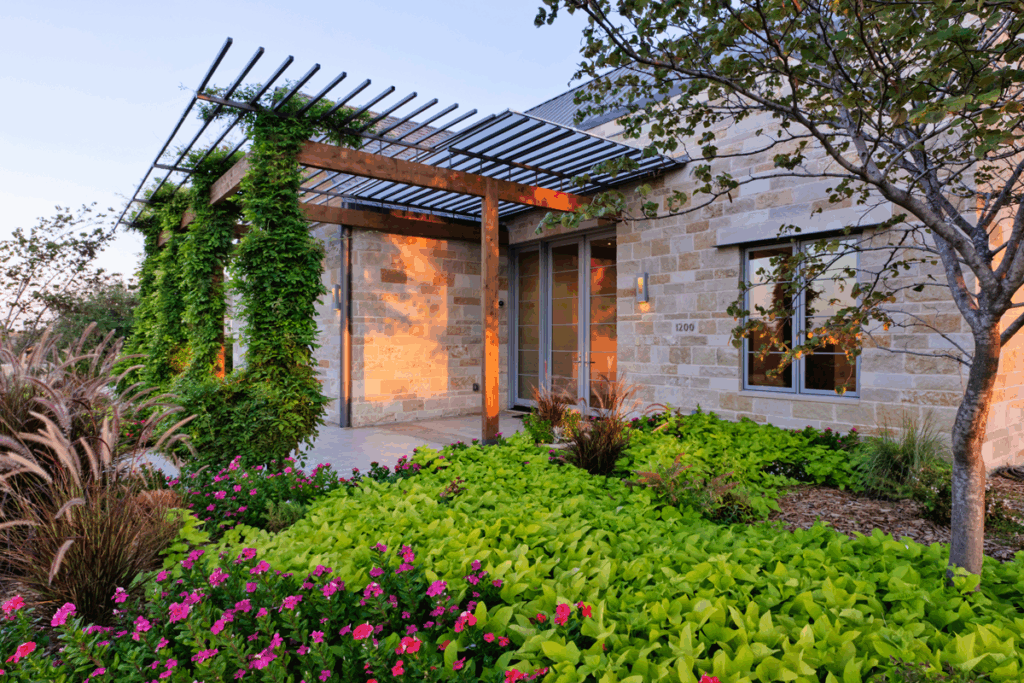
Material Selection for the Summit Creek Environment
Summit Creek’s elevation – several hundred feet above the valley floor – means more wind exposure, more UV intensity, and more dramatic temperature cycling than lower-elevation communities. Material selections that might perform adequately in Lehi or Saratoga Springs will face harder conditions here. For long-term durability, prioritize:- Natural stone or high-quality manufactured stone for exterior applications
- Standing seam metal or high-performance architectural shingles for roofing
- Thermally broken aluminum or fiberglass window systems
- Exterior wood elements limited to covered, protected locations where UV and moisture exposure is minimized
- Mechanical systems sized for the temperature extremes the home will experience at elevation