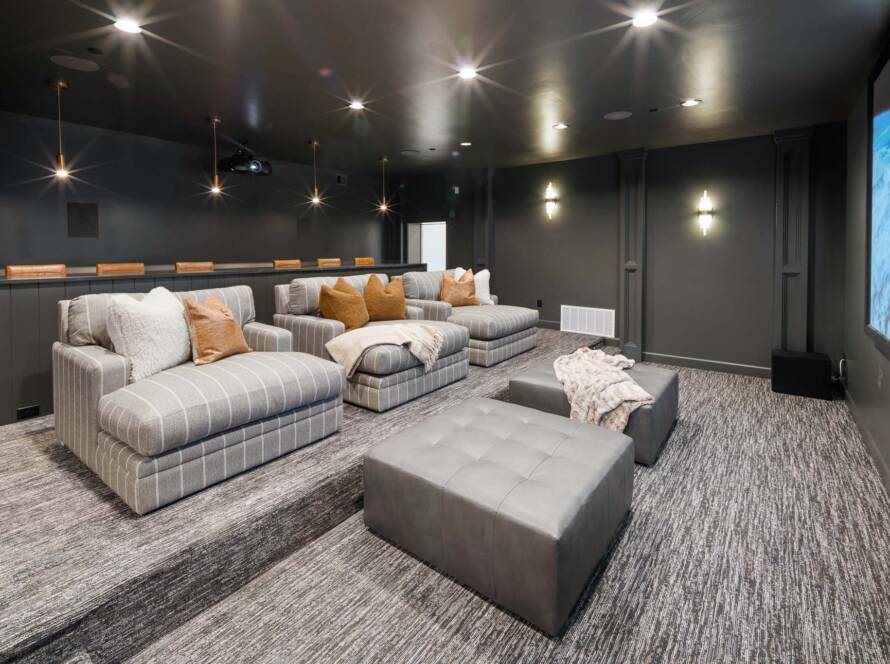
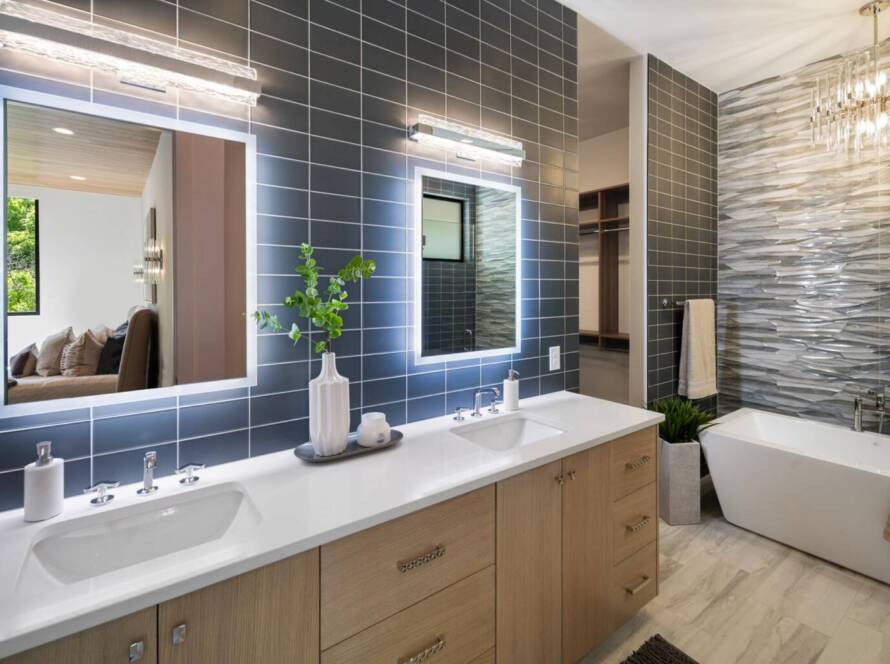
The number most Utah County families hear first is somewhere between $225 and $500+ per square foot. And it’s not wrong, exactly. But it’s the kind of answer that creates more confusion than clarity, because a 3,000-square-foot custom home at $225 per square foot and one at $500+ per square foot aren’t just different prices. They’re different houses, different lots, different materials, and different experiences entirely.
If you’re seriously considering a custom build in Utah County this year, you deserve better than a range. You deserve a breakdown of where the money actually goes, what drives costs up or down in this specific market, and how to set a realistic budget before you ever talk to a builder. That’s what this guide covers. Schedule a free discovery call with Summit Construction if you want to talk numbers specific to your project, your lot, and your goals.
The cost conversation matters more here than in most markets. Utah County is growing fast, land prices are climbing in communities like Alpine and Lehi, and material costs in 2026 are shaped by tariffs and labor constraints that didn’t exist three years ago. What your neighbor paid in 2022 is no longer a useful benchmark.
This guide won’t give you a single number. It will give you the framework to understand your number.
Key Takeaways
- Custom home construction in Utah County ranges from roughly $225 to $500+ per square foot in 2026, depending on lot conditions, finishes, and design complexity.
- Land, impact fees, and site preparation are the costs most buyers underestimate, and they vary dramatically between Utah County cities.
- A transparent builder who itemizes allowances and separates hard costs from soft costs is the single most important factor in avoiding budget surprises.
- Construction timelines in Utah County typically run 9 to 14 months from permit to move-in, and delays cost real money.
What Drives the Cost of a Custom Home in Utah County
The total cost of a custom home isn’t one number. It’s a stack of decisions, each with its own price range, and those decisions interact with each other in ways that aren’t always obvious.

Here’s how to think about it. Your final cost is shaped by five categories: land and site preparation, hard construction costs, soft costs and fees, interior finishes and selections, and contingency. Miss any one of those categories in your early budgeting, and you’ll feel it halfway through framing.
Land and site preparation is where Utah County gets specific. A half-acre lot in Alpine’s east bench might run $350,000 to $600,000 or more, while a comparable lot in Mapleton or Elk Ridge could come in under $200,000. But the sticker price isn’t the whole story. A flat lot in Saratoga Springs needs minimal grading. A hillside lot in Springville’s Summit Creek community could require $40,000 to $80,000 in excavation, retaining walls, and engineered foundations before you pour a single yard of concrete.
Hard construction costs cover the physical structure: foundation, framing, roofing, mechanical systems, exterior cladding, windows, and doors. In Utah County, this category makes up a significant share of your per-square-foot cost and varies with structural complexity and material grade. A single-story ranch with a simple roofline costs less per foot than a two-story home with multiple bump-outs and a steep-pitch architectural roof.
Soft costs are the ones that surprise first-time builders. Architectural and engineering fees typically run 8 to 15 percent of total construction cost. Permits and impact fees in Utah County vary by city, and they aren’t small.
Impact Fees and Permits: The Utah County Reality
Most online cost guides treat permits as a line item. In Utah County, they’re a budget category.
Impact fees are charged by cities to offset the cost of new development on roads, parks, water, sewer, and fire services. They vary widely. In cities like Spanish Fork, Springville, and Alpine, total impact fees for a single-family home can run $20,000 to $30,000. Lehi and Saratoga Springs, with their rapid growth, have their own fee structures that buyers should verify before committing to a lot.
Building permits themselves add another $2,000 to $5,000 depending on project scope and valuation. Then there are plan review fees, utility connection fees, and in some communities, architectural review board costs that can add weeks to your timeline and hundreds to your budget.
None of this is hidden information. But builders who don’t address it upfront leave their clients guessing, and guessing leads to budget stress three months into construction. At Summit Construction, every client receives a detailed cost breakdown during the estimate phase of our process, with impact fees, permit costs, and utility connections itemized separately from construction costs.
What a Luxury Custom Home Actually Costs Per Square Foot in 2026
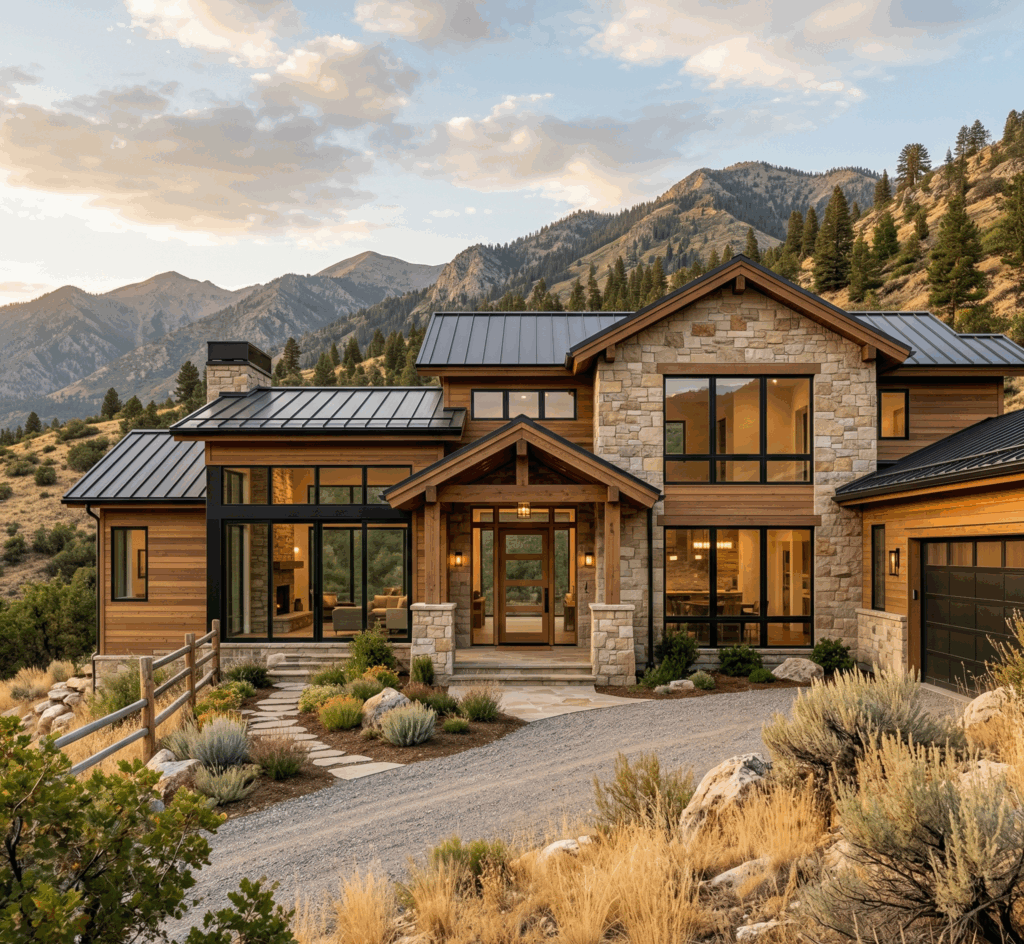
Let’s get specific. For a custom home in Utah County with quality finishes, thoughtful design, and the kind of craftsmanship that holds its value, most projects land between $225 and $500+ per square foot in 2026. Where you fall within that range comes down to finish level, design complexity, and site conditions rather than a fixed tier.
Toward the lower end, you get a well-built custom home with solid materials, standard-grade cabinetry, mid-range countertops, and builder-selected fixtures. Moving up, most serious custom buyers choose their own finishes, premium cabinetry, hardwood flooring, upgraded windows, and more architectural detail like vaulted ceilings and covered outdoor living. At the top of the range, full custom architecture, imported materials, high-performance building envelopes, integrated smart-home systems, and bespoke interior details push costs higher. The most reliable way to see where your specific plans fall is to run them through our custom home pricing calculator.
For a 3,500-square-foot home with mid-level finishes, you’re looking at roughly $1.1 million to $1.6 million in construction costs alone, before land. Add a desirable lot in Alpine or Highland and the total project investment reaches $1.5 million to $2.2 million or higher.
These numbers aren’t meant to scare you. They’re meant to ground the conversation in reality so that you can plan with confidence instead of discovering the truth after you’ve signed a contract.
Material Costs and Tariff Impacts in 2026
Materials don’t exist in a vacuum. Two forces are shaping what you’ll pay for lumber, steel, cabinetry, and specialty finishes this year.
First, the tariff situation. The National Association of Home Builders has tracked the impact of Section 232 tariffs on construction materials, estimating they add roughly $9,200 to the average new home cost nationally. For custom homes in Utah County, the impact runs higher because of the materials involved. Kitchen cabinet tariffs from imported sources doubled to 50 percent on January 1, 2026. Canadian lumber tariffs continue to affect framing costs. And specialty materials like imported tile, European fixtures, and custom window systems carry their own surcharges.
Second, labor. Construction unemployment in Utah sits near historic lows. Skilled framers, electricians, and finish carpenters are in demand across the Wasatch Front, and their rates reflect it. A builder with established subcontractor relationships can hold better pricing and maintain tighter schedules than one assembling crews project by project.
What does this mean practically? Lock in your material selections and builder commitment early. The cost of building in Utah County is not going down in 2026. Waiting six months won’t save you money. It will almost certainly cost you more.
How to Set a Realistic Budget Before You Talk to a Builder
Start with your total investment capacity, not your per-square-foot target. The per-square-foot number is useful for comparison, but it doesn’t account for land, fees, landscaping, window treatments, appliance packages, or the driveway.
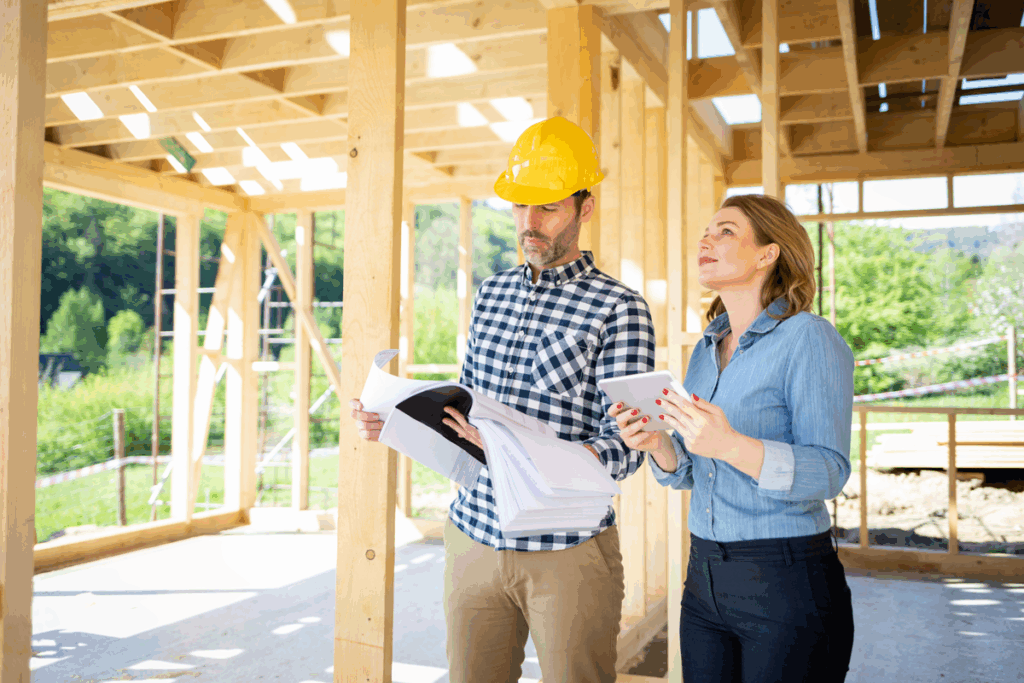
Here’s a framework that works for Utah County:
Land: 15 to 25 percent of total project budget. If you’re buying a $400,000 lot in Alpine, your total project budget should be $1.6 million to $2.6 million to maintain that ratio. If the math doesn’t work, the lot might not be the right fit.
Hard and soft construction costs: 60 to 70 percent of total budget. This is the house itself, including design, engineering, permits, and construction.
Contingency: 10 to 15 percent. Not optional. Every custom home has decisions that change during construction. A strong contingency means those changes don’t derail the project.
Finishing and move-in costs: 5 to 10 percent. Landscaping, window coverings, lighting fixtures not included in the construction contract, garage organization, and the small items that add up faster than anyone expects.
Work backward from a number you’re comfortable with, and you’ll know immediately whether a 2,800-square-foot home in Mapleton or a 4,200-square-foot home in Highland is realistic for your situation.
The Pricing Model Your Builder Uses Matters More Than You Think
Not all builders price the same way. And the model your builder uses directly affects whether your final cost matches your original estimate.
Cost-plus pricing means you pay the actual cost of materials and labor, plus a percentage markup for the builder’s overhead and profit. The risk: if material costs rise or design changes add scope, your final number rises with it. Some cost-plus contracts are well-managed. Others become a blank check.
Fixed-price contracts set a total cost upfront. The risk: the builder may pad the estimate to protect their margin, or they may cut corners if costs run over.
Open-book, no-markup pricing is the model Summit Construction uses. Every cost is itemized. You see the actual material invoices, the subcontractor bids, and the builder’s fee as a separate line item. Nothing is hidden behind a percentage. If a material comes in under budget, you keep the savings. If a selection costs more, you see exactly why.
This isn’t the norm in Utah County’s custom home market. But for buyers investing $1 million or more in a home, full visibility into where every dollar goes isn’t a luxury. It’s a baseline expectation.
The Transformation That Comes After the Budget
There’s a moment, usually a few months after the budget is set and the design is locked, when the conversation shifts. The spreadsheets fade into the background. You’re standing on your lot watching the framers set the ridge beam, and the shape of your home appears against the Wasatch Range for the first time.
That’s what the budget is for. Not the numbers themselves, but the Saturday morning six months later when your kids are running through a backyard that didn’t exist a year ago. The dinner party in a kitchen designed around the way you actually cook. The quiet confidence of knowing that every dollar went where it was supposed to go, and that the home you’re living in was built with the kind of honesty and precision that makes it worth every one.
That’s the difference between a house you bought and a home you built.
Your Next Step
If you’re running numbers on a custom home in Utah County, the best next move is a conversation with a builder who’ll give you real answers specific to your lot, your design goals, and your budget. Not a range. Not a maybe. A clear, detailed plan.
Request a discovery call with Summit Construction to walk through your project goals, get honest budget guidance, and understand exactly what your investment will look like before you commit to anything. Call (801) 762-7500 or email brady@summitconstructionutah.com. Spring and summer build slots in Utah County fill quickly, and locking in your builder now protects both your timeline and your pricing.
Frequently Asked Questions
How much does it cost per square foot to build a custom home in Utah County?
In 2026, expect $225 to $500+ per square foot depending on finishes, design complexity, and lot conditions. Most serious custom home buyers in Utah County land in the middle of that range for quality construction with premium selections.
What are impact fees for new construction in Utah County?
Impact fees vary by city. In Springville, Alpine, and Spanish Fork, total impact fees for a single-family home typically run $20,000 to $30,000. These cover roads, parks, water, sewer, and fire infrastructure and are separate from building permit fees.
How long does it take to build a custom home in Utah County?
Most custom homes take 9 to 14 months from permit issuance to move-in. Larger or more complex projects can extend to 16 months. Weather, material lead times, and permitting timelines all affect the schedule.
Is it cheaper to build or buy in Utah County in 2026?
Building typically costs more upfront than purchasing an existing home, but you get a home designed for exactly how you live with modern systems, current energy codes, and zero deferred maintenance. For buyers who can’t find what they want in the resale market, building is often the better long-term investment.
What is open-book pricing for custom home construction?
Open-book pricing means the builder shares every cost with you: material invoices, subcontractor bids, and the builder’s fee as a separate line item. You see exactly where your money goes. It’s the opposite of a lump-sum contract where costs are bundled behind a single number.
About Summit Construction
Summit Construction is a custom home builder based in Springville, Utah, serving families across Utah County since 2011. Founded by Brady Jensen, the company has completed more than 200 home projects and is known for its open-book pricing model, client-first process, and commitment to craftsmanship that lasts. Summit Construction is a member of the National Association of Home Builders and the Utah Valley Home Builders Association. To start a conversation about your project, call (801) 762-7500, email brady@summitconstructionutah.com, or visit summitconstructionutah.com.