
You’re sitting in your living room on a Sunday afternoon, and the math doesn’t work anymore. Three kids, two of them sharing a bedroom that barely fit one. A home office that’s really just a desk wedged into the corner of the primary bedroom. A backyard you can see through the slider but can’t access without walking through the laundry room. The house was right when you bought it. Five years later, your family outgrew it and the floor plan didn’t keep up.
You’ve thought about moving. You’ve scrolled listings on Saturday mornings, compared mortgage rates, and run the numbers on what you could get in a different neighborhood. But the truth is, you don’t want a different neighborhood. You like your street. You like your kids’ school. You like the view of the Wasatch from your kitchen window. What you don’t like is the house that no longer fits the life you’re living in it.
That’s exactly where a home addition enters the conversation. Not as a consolation prize for not moving, but as the smarter play for families who love where they are and just need more space, better space, or both. And in Utah County, where established neighborhoods in Springville, Mapleton, Provo, and Highland are full of well-built homes on lots with room to expand, an addition is often the highest-value investment a homeowner can make.
This guide covers the real costs, the permit process specific to Utah County cities, the timeline, and the decisions that determine whether your addition feels like a natural extension of your home or a box bolted onto the side of it. Connect with Summit Construction if you’re already thinking about where to add and want a builder’s perspective on what’s possible.
Key Takeaways
- Home addition costs in Utah County typically range from $150 to $350+ per square foot depending on the type of addition, structural complexity, and finish level.
- Permit requirements and timelines vary by city, and some Utah County municipalities require plan review processes that add 4 to 8 weeks before construction can begin.
- The most successful additions are designed from the inside out, starting with how the new space connects to the existing home’s traffic flow, roofline, and foundation.
- Additions that match the original home’s architectural style and materials consistently outperform mismatched additions in both daily livability and long-term resale value.
What Kind of Addition Fits Your Situation
Not all additions solve the same problem. Before you think about cost or permits, the first question is what your home actually needs and where the lot allows you to build it.
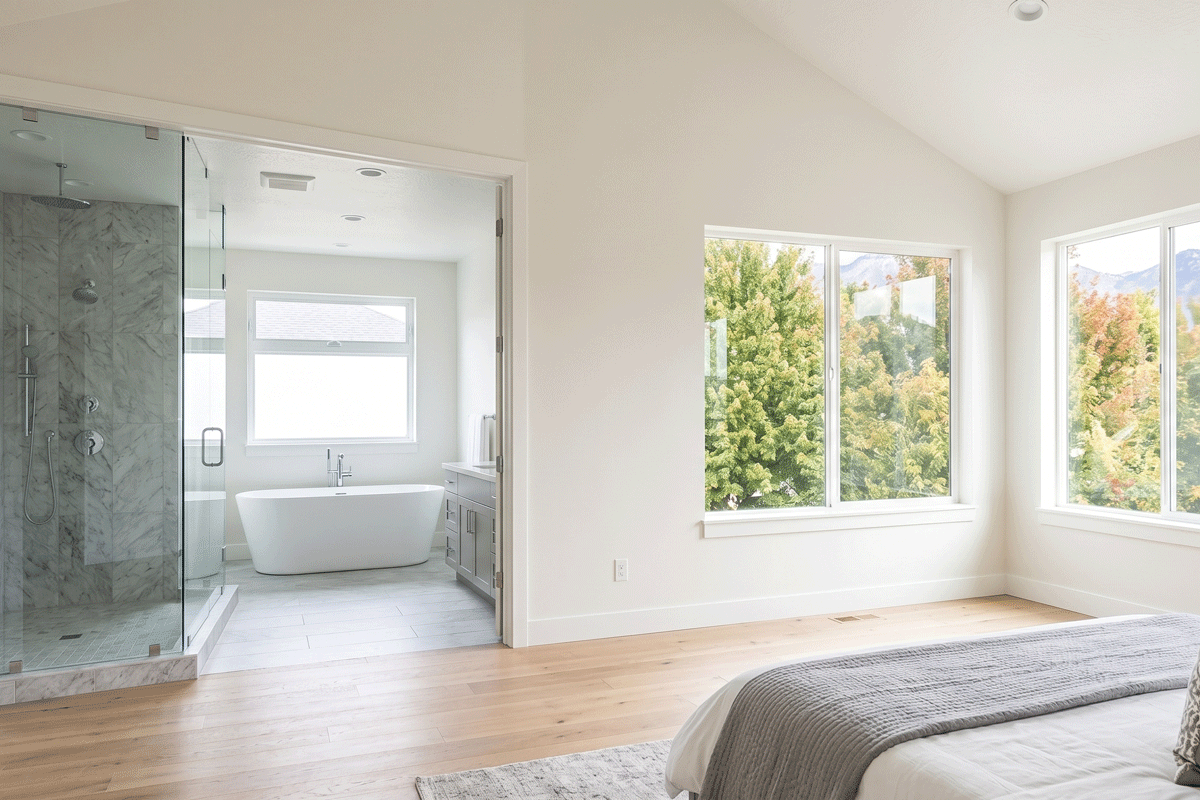
Primary suite additions are the most common request Summit Construction fields from Utah County homeowners. Families in Springville, Salem, and Mapleton who bought starter homes or mid-range builds ten to fifteen years ago often find that the original primary bedroom is undersized for their current stage of life. A well-designed primary suite addition typically includes a bedroom, a full bathroom with walk-in shower and soaking tub, a walk-in closet, and sometimes a private sitting area or covered balcony. These additions range from 400 to 800 square feet depending on scope.
Family room and great room additions are the second most common, particularly for homes with closed floor plans built in the 1990s and early 2000s. Opening the back of the house into a new living space with vaulted ceilings and large windows changes the entire feel of the home. In Utah County, where mountain views are accessible from most neighborhoods, a rear addition with floor-to-ceiling glass on the west or east wall turns dead backyard space into the best room in the house.
Home office additions surged during 2020 and haven’t slowed down. For families where one or both adults work remotely at least part of the week, a dedicated office that’s separated from the main living area by a door, a hallway, or even a breezeway connection eliminates the biggest friction point in work-from-home life: the feeling that you’re always at work because your desk is always visible.
Guest quarters and in-law suites are growing in demand across Utah County as multi-generational living becomes more common. These additions often include a bedroom, full bathroom, small kitchenette, and separate entrance. They require careful planning around plumbing, electrical, and sometimes zoning classification, because some Utah County cities treat detached or semi-detached living spaces differently than standard room additions.
Sunrooms and four-season rooms take advantage of Utah County’s 230+ days of sunshine per year. A properly insulated and heated four-season room extends your usable living space year-round, while a three-season sunroom provides a lower-cost option for spring through fall use. The key distinction is whether the space ties into your home’s HVAC system or operates independently.
What a Home Addition Costs in Utah County in 2026
Addition costs vary more than new construction costs because you’re working with an existing structure. The connection points between old and new, the condition of the existing foundation and framing, and the complexity of matching the roofline all influence the final number.
Here’s what the ranges look like in Utah County this year:
$150 to $225 per square foot: A straightforward room addition on a slab foundation with standard finishes. Think a family room, a bedroom, or a three-season porch. The structure is simple, the tie-in to the existing home is clean, and the finishes match the home’s current level without upgrading.
$225 to $325 per square foot: A higher-quality addition with upgraded finishes, more structural complexity, and better integration with the existing home. Primary suite additions, great room expansions with vaulted ceilings, and home offices with custom built-ins typically fall in this range. You’re matching or slightly exceeding the finish level of the original home.
$325 to $400+ per square foot: Luxury-grade additions with premium materials, custom architectural details, and complex structural work. In-law suites with full kitchenettes and separate entries, second-story additions that require structural reinforcement of the existing first floor, and additions that involve relocating major mechanical systems land here.
For a 500-square-foot primary suite addition in the mid-range, you’re looking at roughly $112,000 to $162,000 before permits and fees. A 300-square-foot home office in the lower range runs $45,000 to $67,000. A full in-law suite at the upper end could reach $160,000 to $200,000 or more.
These numbers reflect Utah County’s current labor market, where skilled framing and finish crews are in demand and material costs continue to climb. According to Remodeling Magazine’s 2024 Cost vs. Value report, midrange and upscale additions in the Mountain West region recover 50 to 65 percent of their cost at resale, with higher recovery in strong markets like Utah County where housing inventory remains tight.
The Permit Process in Utah County: City by City
Here’s where additions get specific to your address. Every city in Utah County has its own building department, its own plan review timeline, and its own fee structure. There is no single “Utah County permit” for residential additions.
Springville requires a full plan set submission including structural engineering, site plan showing setbacks, and an energy compliance report. Plan review typically takes 2 to 4 weeks. Building permit fees are calculated based on project valuation, and impact fees apply if you’re adding habitable square footage. Total permit and fee costs for a typical addition: $3,000 to $8,000.
Provo has a similar process but tends to run longer plan review cycles during peak construction season, sometimes stretching to 6 weeks. Provo’s zoning code also has specific setback requirements that can constrain where an addition can be placed on your lot, particularly in older neighborhoods where homes sit closer to property lines than current code would allow for new construction.
Alpine and Highland layer HOA architectural review on top of city permits. If your addition changes the home’s roofline, exterior materials, or footprint in a way that’s visible from the street, expect to go through architectural review before submitting for city permits. That can add 4 to 12 weeks to your timeline depending on the HOA’s meeting schedule.
Mapleton and Salem tend to have faster plan review cycles for straightforward additions, often 2 to 3 weeks. But both cities have lot coverage maximums that limit how much of your lot can be covered by structures and impervious surfaces. On a half-acre lot, this rarely matters. On a quarter-acre lot, it can constrain your addition’s footprint significantly.
Lehi has experienced rapid growth and its building department reflects that volume. Plan review timelines can stretch during busy seasons, and the city’s impact fee structure for additions that increase habitable space should be factored into your budget early.
The builder you choose should know these timelines cold and factor them into your project schedule from day one. Summit Construction handles permitting and approvals as part of the addition process, so you’re not navigating city hall on your own.
Design Decisions That Separate Good Additions from Awkward Ones
The difference between an addition that feels like it was always part of the house and one that looks like an afterthought comes down to three design decisions made before construction starts.
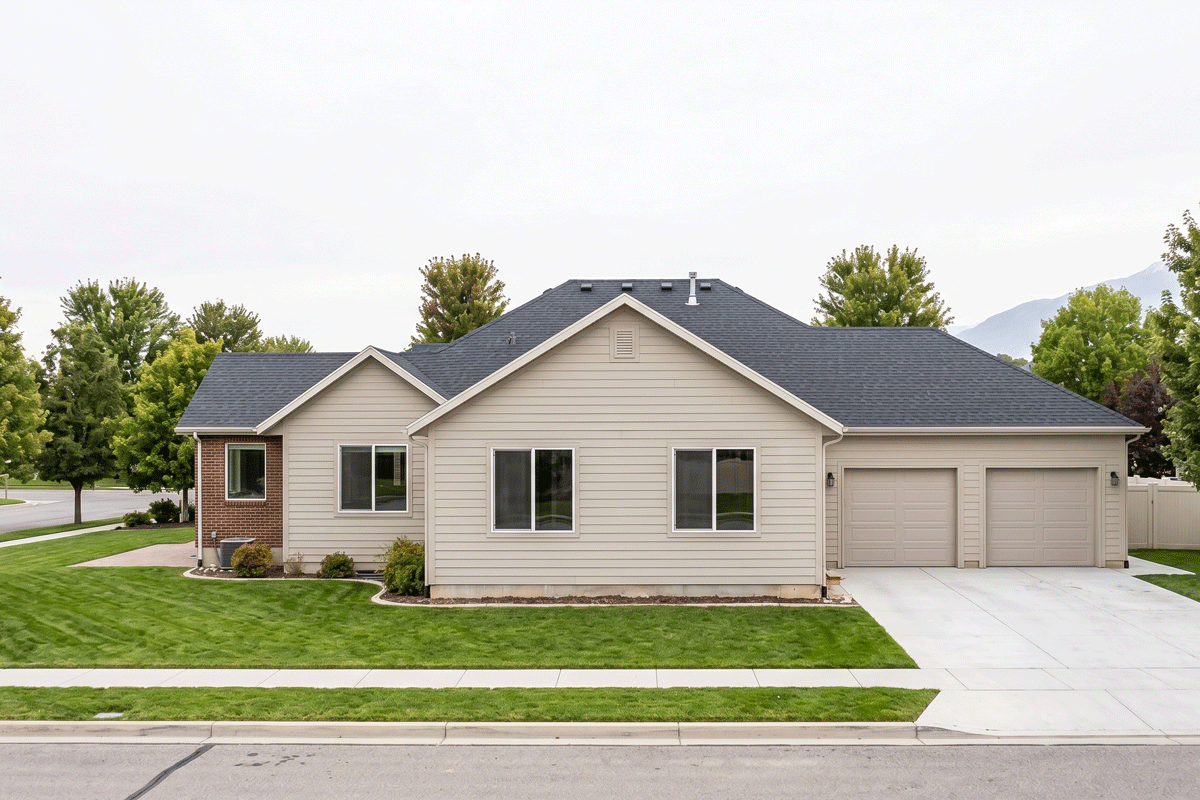
Roofline integration. The addition’s roof needs to meet the existing roofline in a way that looks intentional. A shed roof tacked onto a gabled home screams “addition.” Matching the pitch, material, and ridge height of the original roof takes more engineering, but the result is a home that reads as one cohesive structure from the street. This is non-negotiable in communities like Alpine and Highland where architectural consistency protects neighborhood property values.
Foundation alignment. Additions can sit on slab, crawlspace, or full basement foundations depending on the existing home’s construction and the addition’s purpose. The foundation type affects floor height alignment between the old and new sections. A step up or step down between the original home and the addition isn’t always avoidable, but when it is avoidable, eliminating it creates a much better result.
Material continuity. Matching the existing home’s exterior cladding, window style, trim profiles, and even brick or stone color takes effort. Materials weather and age. A perfect color match on the day of installation may look slightly different than 15-year-old siding next to it. Experienced builders account for this by selecting materials that will converge in appearance over the first few years rather than match perfectly on day one and diverge over time.
These details sound small. They’re the entire difference between an addition that adds $150,000 in value and one that adds $80,000.
Timeline: How Long a Home Addition Takes in Utah County
From your first conversation with a builder to moving furniture into the new space, here’s a realistic timeline for a mid-complexity addition in Utah County:
Design and engineering: 3 to 6 weeks. This includes measuring the existing home, designing the addition, producing a structural engineering package, and preparing the plan set for permit submission.
Permitting and review: 2 to 8 weeks depending on your city and whether HOA review is required. Budget for the longer end if you’re in Alpine, Highland, or Provo.
Construction: 3 to 6 months for most additions. A simple room addition on a slab may take 10 to 12 weeks. A primary suite with full bathroom, closet, and complex roofline tie-in takes 16 to 20 weeks. A second-story addition or in-law suite with kitchenette can stretch to 24 weeks.
Total project timeline: 4 to 9 months from kickoff to completion. The front-end planning and permitting is the phase most homeowners underestimate.
Living in the home during construction is possible for most addition projects, but expect noise, dust, and limited access to areas adjacent to the work zone. Your builder should provide a clear plan for managing access, protecting your existing finishes, and maintaining livability throughout the project.
The Moment It Comes Together
Six months from now, you’re standing in a room that didn’t exist when you started. The sun is coming through new windows, hitting a wall that used to be the exterior of your house. Your youngest is already claiming the window seat. The space feels like it was always supposed to be here, because it was designed to match the bones and the character of the home you already loved.
You didn’t move. You didn’t compromise. You didn’t settle for a floor plan someone else designed for someone else’s family in 2005. You made the home fit the life, instead of the other way around.
That’s what a well-planned addition delivers. Not just square footage. Room to breathe.
Your Next Step
Every addition starts with a conversation about what your home needs, what your lot allows, and what your budget supports. The earlier that conversation happens, the more options you have and the smoother the process runs. Request a discovery call with Summit Construction to talk through your project, get honest guidance on costs and timeline, and find out what’s realistic before you commit to anything. Reach out at (801) 762-7500 or brady@summitconstructionutah.com. The best addition projects start months before the first shovel hits dirt, and right now is the right time to begin planning.
Frequently Asked Questions
How much does a home addition cost in Utah County?
Expect $150 to $400+ per square foot depending on complexity and finish level. A 500-square-foot primary suite addition in the mid-range typically costs $112,000 to $162,000 before permits and fees. Simpler room additions come in lower, while in-law suites and second-story additions run higher.
Do I need a permit for a home addition in Utah County?
Yes. Every Utah County city requires building permits for additions that add habitable square footage. You’ll need a plan set with structural engineering, a site plan, and energy compliance documentation. Permit fees and plan review timelines vary by city.
How long does it take to build a home addition in Utah County?
Total project timelines run 4 to 9 months from initial design through completion. Construction itself takes 3 to 6 months for most additions. Add 2 to 8 weeks on the front end for design, engineering, and permitting.
Will a home addition increase my property value?
According to Remodeling Magazine’s 2024 Cost vs. Value report, midrange and upscale additions in the Mountain West region recover 50 to 65 percent of their cost at resale. In strong markets like Utah County where housing inventory remains tight, recovery rates can trend toward the higher end of that range.
Can I live in my home during an addition project?
In most cases, yes. Room additions, primary suite additions, and sunrooms can typically be built while you remain in the home. Your builder should provide a plan for dust control, noise management, and maintaining access to essential rooms throughout construction.
About Summit Construction
Summit Construction has been building custom homes and luxury additions across Utah County since 2011. Led by Brady Jensen, the company has completed more than 200 projects in communities including Springville, Alpine, Highland, Mapleton, and Salem. Summit Construction is known for transparent, itemized pricing and a structured process that keeps homeowners informed and in control from consultation through final walkthrough. A member of NAHB and the Utah Valley Home Builders Association, Summit Construction can be reached at (801) 762-7500, brady@summitconstructionutah.com, or summitconstructionutah.com.