In custom home construction, there are many factors that determine whether a project succeeds: design quality, material selections, subcontractor skill, weather, supply chain, timing. But among experienced builders and clients alike, one variable consistently predicts project outcomes more than any other: the degree to which the general contractor takes genuine ownership of the process.
Ownership in construction is not a feel-good principle. It is a practical operational stance that changes how every problem, decision, and communication is handled throughout a 12 to 18 month project. The difference between a builder who operates with genuine ownership accountability and one who deflects, qualifies, and assigns blame elsewhere shows up in client experience, project timeline, and final quality.
Understanding what real ownership looks like in a custom home build – and how to recognize it before you commit – is one of the most valuable things a prospective custom home client can learn.


What Ownership Looks Like in Practice
Proactive Communication, Not Reactive Explanations
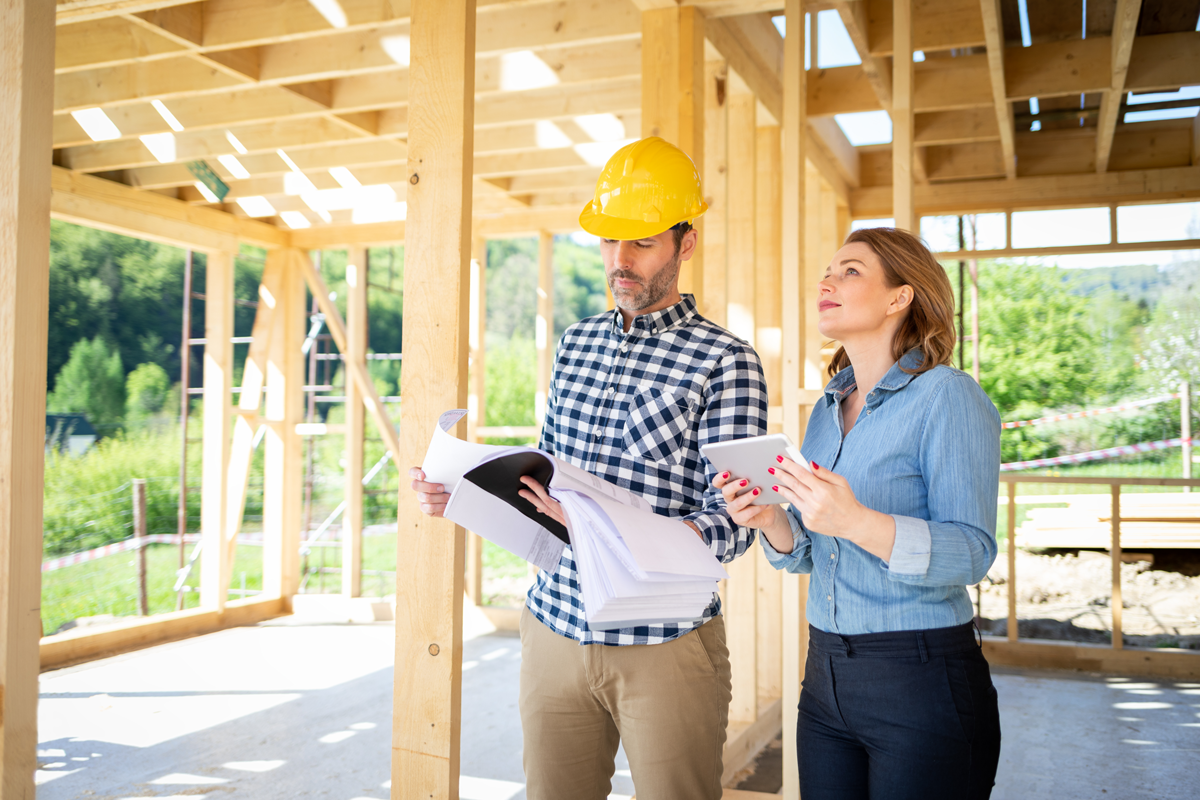
A builder operating with genuine ownership communicates proactively – alerting clients to emerging issues before they become problems, providing regular schedule updates without being prompted, and explaining the reasoning behind decisions as they are made rather than after they have caused questions. The reactive alternative is a builder who only communicates when asked, who surfaces problems only when they can no longer be ignored, and who explains decisions after the fact when the client has already noticed something unexpected. This pattern is consistently cited by clients in post-build reflections as a primary source of frustration – not necessarily because problems occurred, but because they were surprised by them.Taking Responsibility When Things Go Wrong
Problems happen in every custom home build. Material deliveries get delayed. Subcontractors make errors. Weather disrupts schedules. The quality of a builder is revealed not by whether these things happen – they will – but by how the builder responds when they do. A builder who owns the process takes responsibility for problems even when they technically originated with a subcontractor, supplier, or design document. They come to the client with a clear explanation of what happened, what the impact is, and what the plan is to address it. They do not lead with whose fault it was. The builder who deflects – ‘the framing crew made a mistake’ or ‘the window supplier mis-shipped’ without taking ownership of the outcome – is signaling that their primary concern is protecting their own standing rather than protecting the client’s project.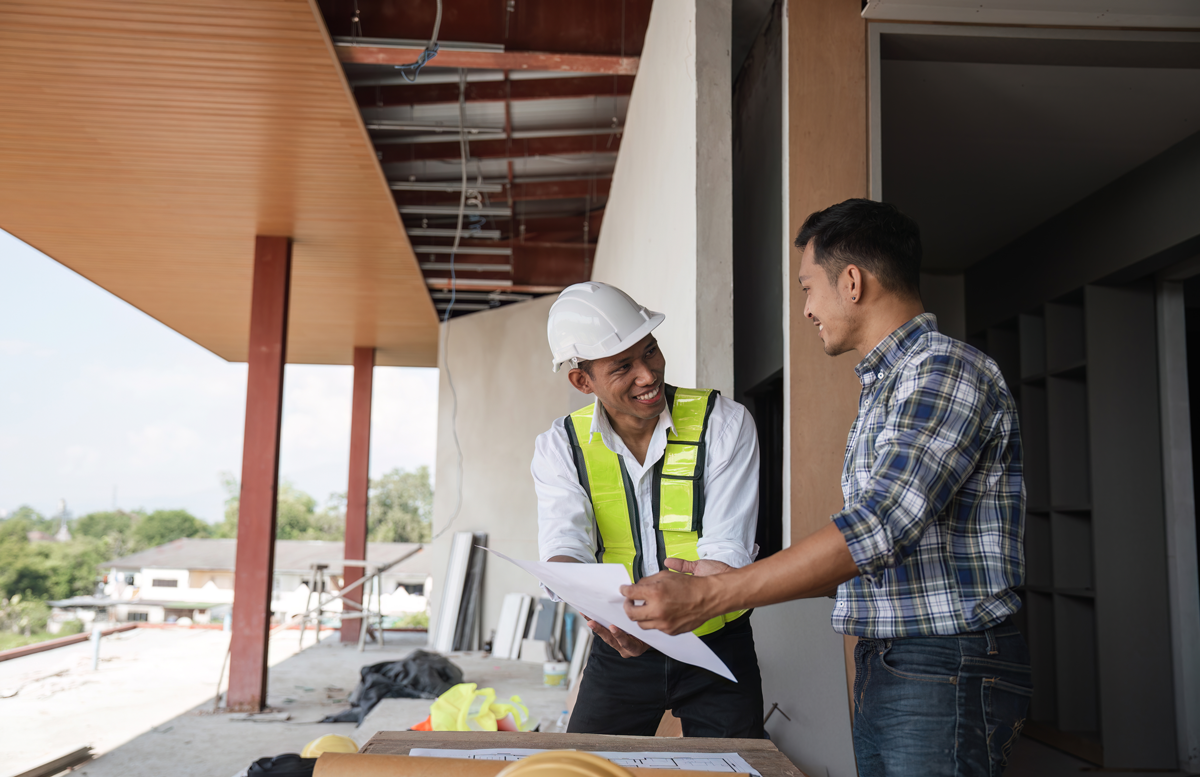
Full Transparency on Costs
Genuine ownership in a custom home context includes full transparency on costs – not just the original contract price, but the complete picture of how costs evolve as the project develops. This means:- Change orders that are written, priced, and approved before work proceeds – not invoiced after the fact
- Proactive notification when material selections or scope changes will affect the project budget
- An open-book approach to how costs are structured, where the builder’s overhead and margin are clearly represented rather than buried in inflated line items
- Regular cost-to-complete updates throughout the project so clients are never surprised at closeout
Accountability Structures That Protect Clients
Written Documentation of Decisions
Every significant decision in a custom home build – material selections, scope changes, design modifications, schedule adjustments – should be documented in writing. This is not bureaucracy for its own sake. It is the mechanism that prevents the ‘I thought you said…’ conversations that cost time, money, and goodwill at the worst possible moments in a project. A builder who maintains clear documentation – change orders, selection logs, meeting summaries, schedule updates – is building accountability into the process. A builder who operates primarily on verbal agreements and informal understandings is creating conditions for future disputes.Defined Points of Contact
In any project of significant size, multiple people will be involved on the builder’s side: an estimator, a project manager, site supervisors, and specialty subcontractors. The client should have one clear primary contact who is accountable for the whole project and can answer any question without referring to someone else. When clients are bounced between multiple contacts with inconsistent information, the accountability structure has broken down. The best builders maintain a single point of accountability even when a team is executing the work.Warranty and Post-Construction Support
A builder’s accountability does not end at the certificate of occupancy. How a builder responds to warranty requests in the months and years after completion is the final evidence of whether their ownership commitment was genuine or performative. Ask specifically: What is your warranty process? Who do I contact with post-construction concerns? Can your past clients speak to how you have handled warranty requests?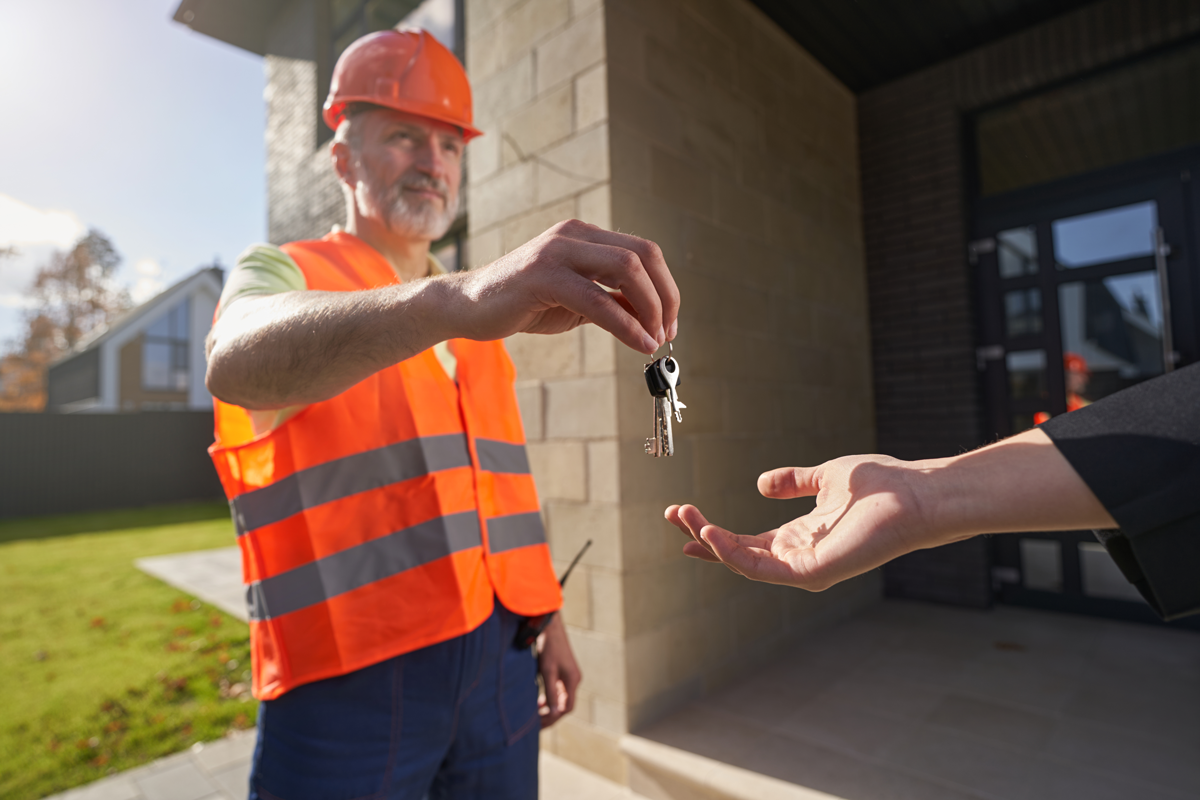
How to Assess a Builder’s Accountability Culture Before You Sign
The clearest way to assess a builder’s ownership culture is to talk to people who have built with them – not the references the builder selects, but clients you find through other means. Ask community members in areas where the builder has worked. Check reviews on Houzz, Google, and the Utah Valley Home Builders Association directory. When speaking with references, ask specifically:- When problems arose during your build, how did the builder respond?
- Did you ever feel surprised by costs or schedule changes you were not warned about in advance?
- Did the builder communicate proactively throughout the project, or primarily when asked?
- How has the builder handled warranty requests after completion?