The best custom homes are almost never the result of any single professional’s vision. They emerge from a productive three-way collaboration: the family whose life the home must serve, the architect who translates that life into spatial and aesthetic reality, and the builder who constructs that vision with craft and integrity.
When this collaboration works well, the result is a home that feels inevitable – as if it could only have taken this exact form for this family on this land. When it breaks down, the results range from mild disappointment to expensive conflict.
Understanding how to make this collaboration work is one of the most valuable things a prospective custom home client can invest time in learning.
When Should You Hire an Architect?
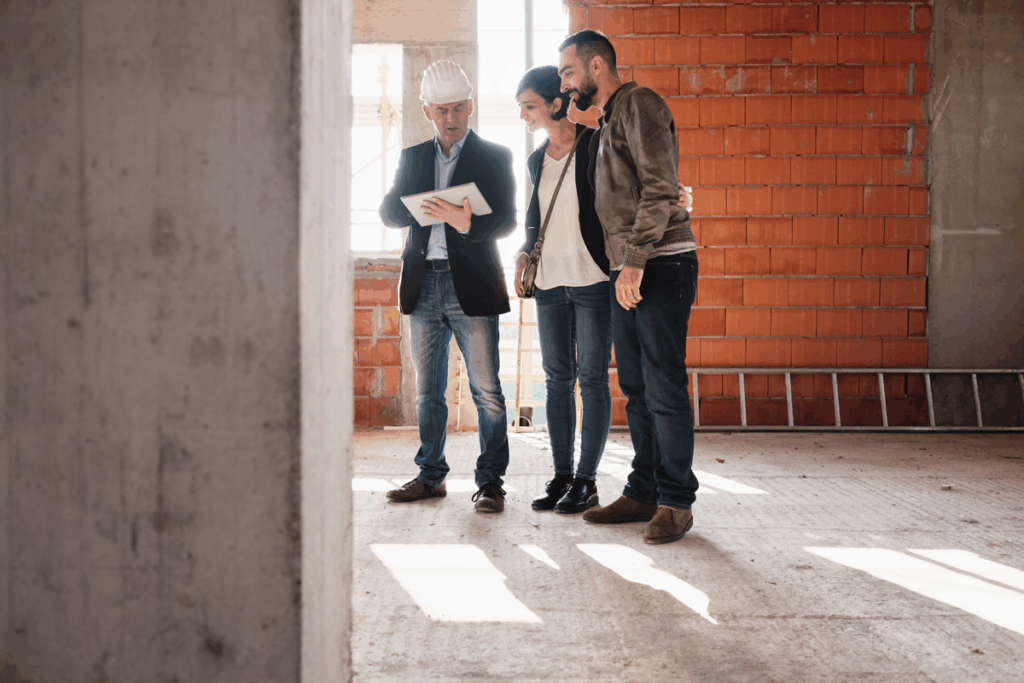
Not every custom home requires a licensed architect. In Utah, design-build firms and some builders can execute quality custom homes using in-house designers or residential designers who work under an architect’s supervision for structural review.
An independent licensed architect adds the most value when:
- Your project involves significant site complexity – steep terrain, complex views, challenging orientations
- You have a specific architectural vision that requires someone with deep design training to realize
- Your project involves unusual structural conditions – large spans, complex roof geometry, significant cantilevers
- You are building in a community with a rigorous design review process that benefits from professional design documentation
- Your home’s scale or complexity exceeds what a production-oriented residential designer typically handles
Choosing the Right Architect for a Utah County Luxury Build
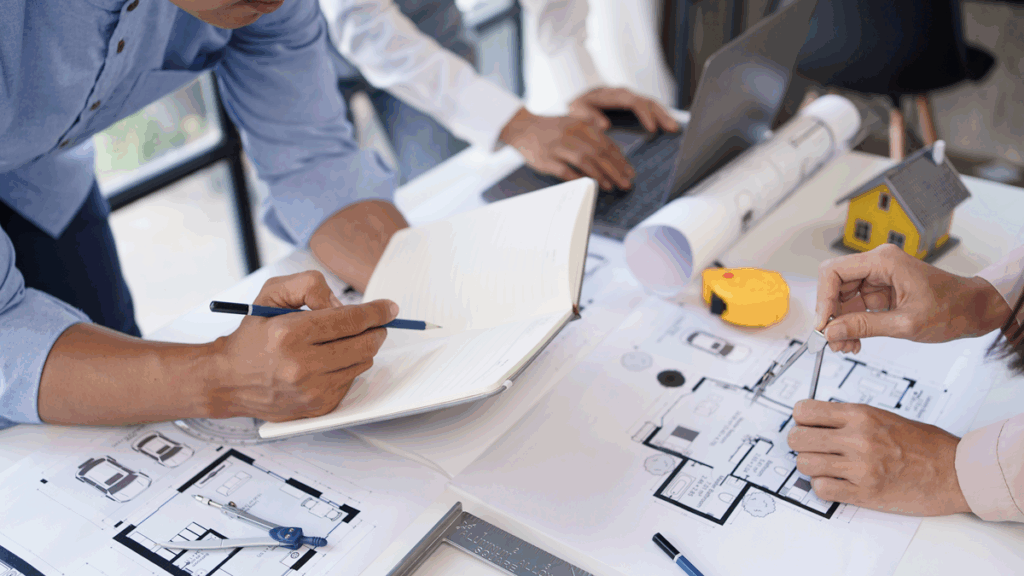
Architecture is a discipline with enormous range within it. An architect who specializes in commercial interiors or urban mixed-use development is not necessarily the right choice for a luxury custom residence in Mapleton or Alpine. Look for:
- A portfolio of completed residential projects at a comparable scale and quality level to your project
- Experience with Utah County’s terrain, climate, and HOA review processes
- A design sensibility that resonates with your aesthetic vision – not just competence, but genuine alignment
- A clear process for client collaboration, including how design decisions are made and documented
- References from past residential clients, not just commercial projects
The Architect-Builder Relationship: Why It Matters
One of the most significant variables in a custom home project outcome is the quality of the working relationship between the architect and the builder. These two professionals need to communicate clearly, trust each other’s expertise in their respective domains, and share a commitment to realizing the client’s vision.
The problems that arise from a poor architect-builder relationship are typically paid for by the client:
- Architectural details that are difficult or expensive to build without adequate discussion before the drawings are issued
- Change orders generated by drawing conflicts that could have been caught earlier with better coordination
- Communication breakdowns that create field decisions made without adequate design oversight
- Schedule delays caused by coordination failures rather than genuine construction challenges
Before committing to both an architect and a builder, ask directly: have you worked together before? What was that experience like? This is a fair and important question.
How to Be a Productive Client in the Design Collaboration
Know Your Priorities Before Your First Meeting
The clients who get the most value from their architects are the ones who arrive at the first meeting with clarity about their priorities – not necessarily a finished design vision, but a clear understanding of what matters most to their family.
A simple framework: make a list of the five things your current home does well that you want to preserve, and the five things it does poorly that you most want to fix. This functional brief gives an architect the raw material to start developing genuinely responsive design options.
Communicate Honestly About Budget
The most common source of tension in architect-client relationships is budget misalignment. An architect who does not have an accurate picture of your construction budget cannot make the tradeoffs that every design requires.
Be direct about what you have allocated for construction, what flexibility exists, and where the hard limits are. A good architect will help you understand where your budget can achieve the most impact and where it might be stretched inefficiently.
Trust the Process – and Ask Questions When You Do Not
Design development involves many decisions that require expertise to evaluate – structural approaches, material performance, mechanical system integration, accessibility planning. You are not expected to have opinions on all of it.
What you should do is ask questions when something does not make sense to you, push back when a design direction does not feel right, and communicate changes in your thinking clearly and promptly. The cost of changing a design in drawings is a fraction of the cost of changing it in construction.
The Builder’s Role in the Design Process
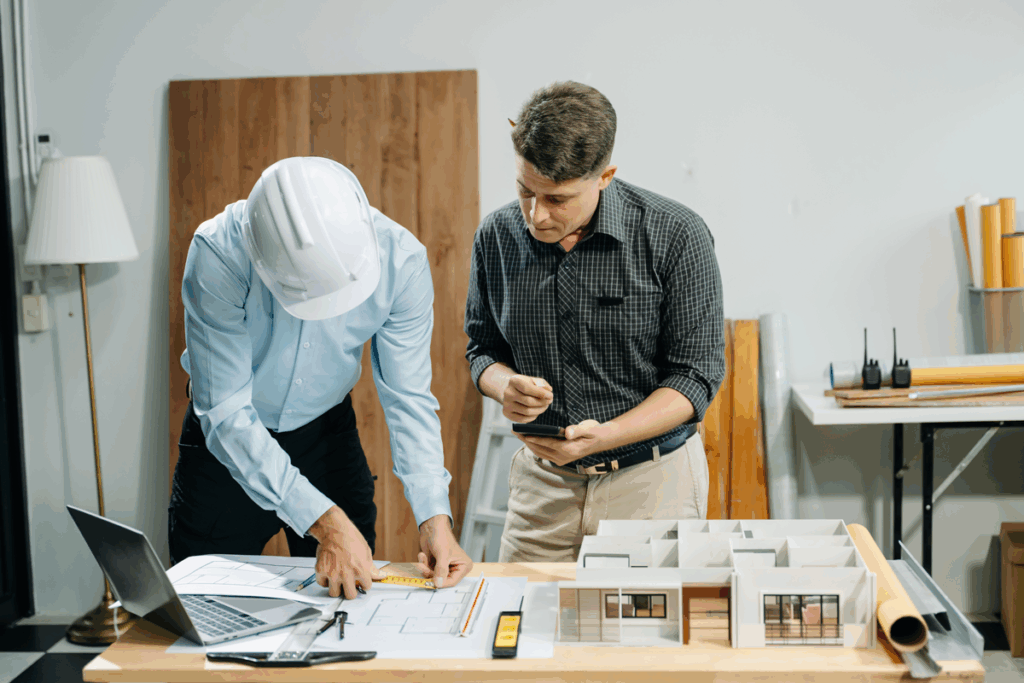
A builder who engages early in the design process – reviewing developing drawings for constructability, providing cost feedback as design options evolve, and flagging coordination issues before they reach construction – can save a client significant money and frustration.
This pre-construction engagement is part of what distinguishes a true custom builder from a contractor who simply executes drawings provided by others. The most experienced custom builders in Utah County can tell you, from having built similar homes, which architectural details will perform well in the climate and which will require reconsideration.
The best custom home projects treat the pre-construction period as genuinely collaborative – with the architect developing the vision, the builder pressure-testing it for cost and constructability, and the client directing both based on their evolving understanding of what they want.
Documentation: The Foundation of a Successful Build
Whatever collaborative process you use, the output should be complete, coordinated construction documents. These drawings and specifications are the primary tool for pricing the project accurately, obtaining permits, communicating with subcontractors, and resolving disputes if they arise.
Clients who allow construction to begin on incomplete documents consistently report the most problems – change orders, schedule overruns, and quality issues that stem from ambiguity in the design rather than construction failures.
Complete documents take time and cost money. They are worth both.
Summit Construction works collaboratively with architects and designers across Utah County, bringing construction expertise to the design process to create homes that are as buildable as they are beautiful. Learn more at summitconstructionutah.com.