An allowance is a budget placeholder for a selection or scope item that is not fully chosen when the contract is prepared. Homeowners should understand what each allowance covers, how actual costs are reconciled, and when selections need to be finalized.
Allowances exist for a simple reason. Very few families have picked every faucet, tile, and light fixture by the time they sign a construction agreement. And they shouldn’t have to. Allowances let the build move forward while those choices are still being made.
But allowances are also where many custom home budgets quietly drift. A number that looked reasonable at signing can look very different when you are standing in a showroom. Understanding how allowances work, before you sign, is one of the best ways to keep your budget and your expectations in the same place.
If you want to walk through allowance categories for your own project, schedule a discovery call with Summit Construction.
Key Takeaways
- An allowance is a dollar amount set aside for an item you will select later, such as cabinets, flooring, or lighting.
- Each allowance should state what it includes, such as materials only or materials and installation.
- When a selection costs more or less than the allowance, the difference is reconciled. How that happens should be written into the contract.
- Selections tied to rough-in work need to be made earlier than most homeowners expect.
Why Allowances Matter in a Utah County Budget
Allowances carry real weight in this market. Summit’s 2026 guide to custom home cost in Utah County puts custom home construction at roughly $225 to $500+ per square foot, depending on lot conditions, finishes, and design complexity.
Finishes are a big part of what moves a home within that range. Since many finish decisions live inside allowances, the way they are set and managed has a direct effect on where your final number lands.
What Does an Allowance Cover in a Custom Home Contract?

An allowance covers a specific category of work or material that hasn’t been finalized. The contract should name the category, state the dollar amount, and explain what that amount includes.
Common allowance categories in a Utah County custom home include:
- Cabinetry, including boxes, doors, and sometimes hardware
- Countertops, such as quartz, granite, or natural stone
- Flooring, including hardwood, tile, carpet, and luxury vinyl
- Tile, for showers, backsplashes, and fireplace surrounds
- Plumbing fixtures, such as faucets, sinks, tubs, and shower systems
- Lighting fixtures, including pendants, chandeliers, and sconces
- Appliances, from ranges and refrigerators to wine coolers
- Door and cabinet hardware
- Landscaping or exterior items, when they are part of the contract
Some contracts also include allowances for scope items that can’t be fully priced until work begins, such as excavation on a lot where soil conditions are still uncertain.
Every allowance should answer three questions. What item does it cover? What is the dollar amount? And does that amount include materials only, or materials plus labor, installation, delivery, and tax? Two allowances with the same number can cover very different things.
Allowances also have to fit within the rules that govern how a home is built. Utah adopts statewide construction standards, including the International Residential Code, through the Utah State Construction Code, Title 15A. Whatever fixtures and materials you choose, they still need to meet code and pass inspection. Your builder can help you avoid selections that look great in a catalog but create problems on site.
How Are Allowance Overages or Savings Handled?
When your final selection is chosen, its actual cost is compared to the allowance. This is called reconciliation.
If your selection costs less than the allowance, the difference is a savings. At Summit, when a selection like tile comes in under the allowance, the difference stays with you.
If your selection costs more than the allowance, the difference is an overage. Overages are usually documented and paid by the homeowner, but the exact process varies from builder to builder. Summit’s specific overage process:
Ask every builder how reconciliation actually works on their projects. Useful questions include:
- Is reconciliation done item by item, or at the end of the project?
- Will I see the actual invoice for each selection?
- Is any builder fee applied to an overage?
- Can savings in one allowance offset an overage in another?
- How are overages documented, and when do I approve them?
A clear answer to each of these questions is worth more than a high allowance number. Generous allowances with vague reconciliation can still lead to surprises.
When Should Homeowners Make Allowance-Based Selections?
Timing matters as much as the dollar amount. A selection made late can hold up a crew, push back the schedule, or force a rushed decision you later regret.
Selections generally fall into three groups.
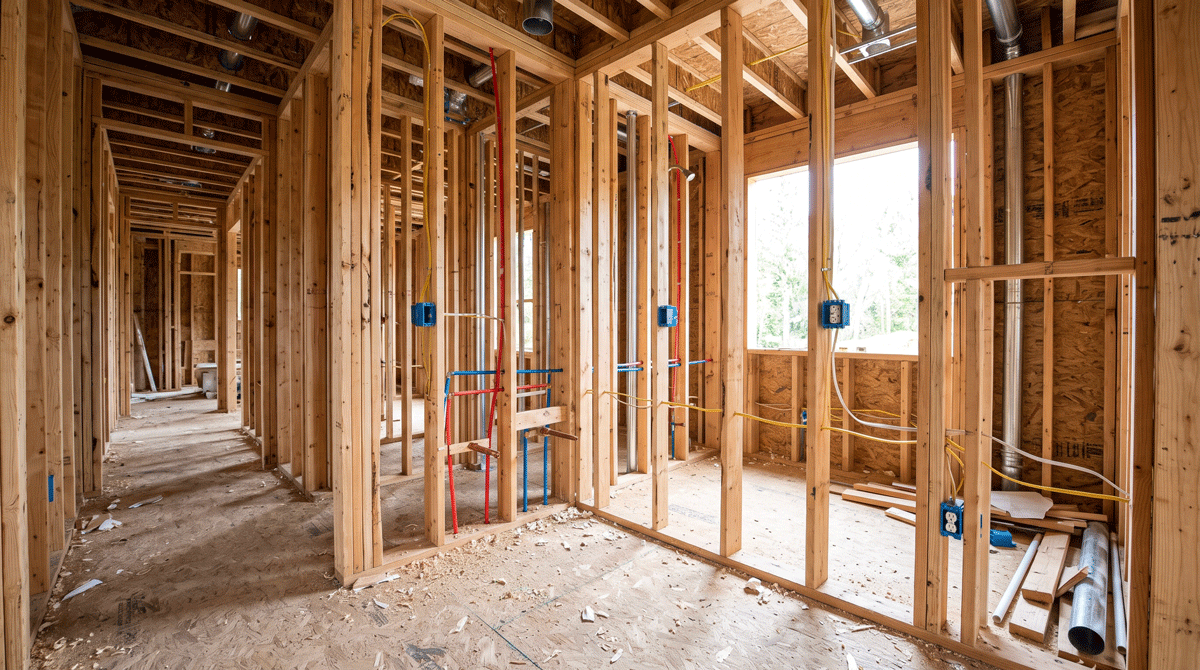
Early selections are tied to rough-in work, when plumbing, electrical, and mechanical systems are installed inside the walls. Plumbing fixtures, lighting locations, appliance specifications, and fireplace types usually belong here. If a freestanding tub or a specific range needs special supply lines or venting, those details must be known before the walls close.
Mid-build selections include cabinetry, countertops, tile, and flooring. Some of these items have long lead times, so ordering early protects the schedule.
Later selections include paint colors, decorative hardware, and some finish lighting. These still need deadlines, but they don’t usually affect what happens inside the walls.
The best approach is a written selection schedule that lists each allowance category with a due date tied to the construction schedule. That way, each decision has its own moment, and no single week becomes overwhelming. At Summit, allowances for selections not yet decided are set during preconstruction, alongside the schedule and subcontractor scopes.
Which Allowance Details Should Be Clarified Before Signing?
Before you sign a custom home contract, review each allowance with your builder and confirm the following:
- Every allowance is listed by category and dollar amount
- Each allowance states whether labor, installation, delivery, and tax are included
- The amounts match the finish level you described
- The reconciliation process is written into the contract
- You know whether any fee applies to overages
- You know how and when savings are credited
- Selection deadlines are tied to the construction schedule
- You understand how owner-supplied items are handled, if you plan to buy anything yourself
That last point deserves attention. Some homeowners want to purchase certain items, like light fixtures or appliances, on their own. Ask how that affects installation, scheduling, and warranty coverage before you decide.
Before you review allowance amounts, try our custom home cost calculator. It gives you a planning range by style, size, and finish level, which helps you judge whether the allowances in a bid fit the home you actually want. You can also learn how Summit approaches budgets and preconstruction on our custom homes page.
Allowances Done Right
When allowances are set honestly and managed clearly, they stop feeling like a gamble. They become a set of decisions with a budget and a deadline attached. And when you finally walk into your finished kitchen, every choice in it will be one you made on purpose.
Your Next Step
Before construction begins, review your allowance categories and decision timing with a builder who will walk you through every number. Schedule a discovery call with Summit Construction to talk through your plans, your selections, and your budget. Call (801) 762-7500 or email brady@summitconstructionutah.com.
Frequently Asked Questions
Are allowances included in the contract price?
Yes. Allowances are typically built into the contract price as placeholder amounts. The final cost changes only if your actual selections come in above or below those amounts.
What happens if a selection costs more than the allowance?
The difference is an overage, which is usually documented and paid by the homeowner. The contract should explain how overages are approved, billed, and whether any fee applies.
Can unused allowance money reduce the final cost?
It can. When a selection costs less than its allowance, the difference is a savings. At Summit, when a selection comes in under the allowance, the difference stays with you.
Which Summit allowance or fee terms should I confirm before signing?
Confirm how Summit reconciles allowances, whether any fee applies to overages, how savings are credited, and how owner-supplied items affect warranty coverage. These are good topics to raise during your discovery call.
About Summit Construction
Summit Construction is a custom home builder based in Springville, Utah, serving families across Utah County since 2011. Founded by Brady Jensen, the company is known for transparent pricing, architect-collaborative design, and craftsmanship built to last for generations.