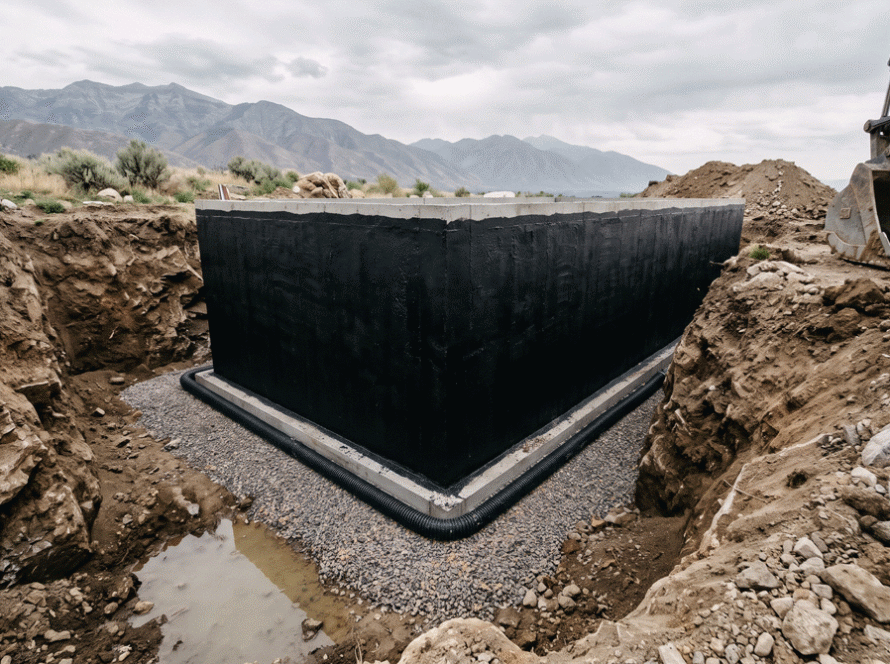
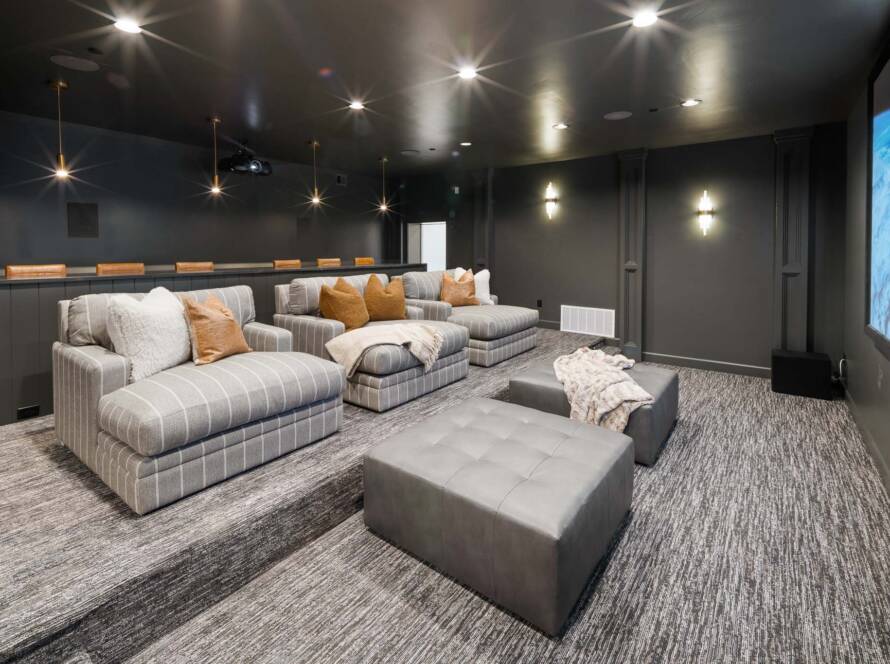
The right choice depends on the property, not a rule of thumb. Homeowners should compare structural constraints, location value, desired layout, disruption, long-term plans, and whether the existing house can realistically support the outcome they want.
Many families reach this question after years in a home they love. The neighborhood is right. The kids have friends down the street. The view from the back deck hasn’t gotten old. But the house itself no longer fits. The kitchen is closed off, the bedrooms are in the wrong places, and the systems are showing their age.
So the question becomes whether to reshape what is there or start fresh. There isn’t a universal answer. A great remodel can transform a home, and a new custom build can solve problems a remodel never could. The best decision comes from an honest look at the property in front of you.
If you’re weighing both paths, schedule a discovery call with Summit Construction so we can help you compare them with real information.
Key Takeaways
- Remodeling often makes sense when the structure is sound and the layout can be improved within it.
- A new custom home offers more flexibility when the existing structure limits what you want.
- Location value and attachment to a property can favor staying, even when the house needs major work.
- Compare scope, disruption, timeline, and long-term goals, not just a single number.
A Market Full of Existing Homes
Utah County has a large and growing housing stock. According to the U.S. Census Bureau QuickFacts for Utah County, the county had an estimated 233,127 housing units as of July 1, 2025.
Many of those homes sit on lots that families don’t want to leave. Some were built decades ago with layouts and systems that no longer match modern life. That’s why the remodel-or-rebuild question comes up so often here. The land and location may be exactly right, even when the house is not.
When Does Remodeling Make Sense for an Existing Utah County Property?
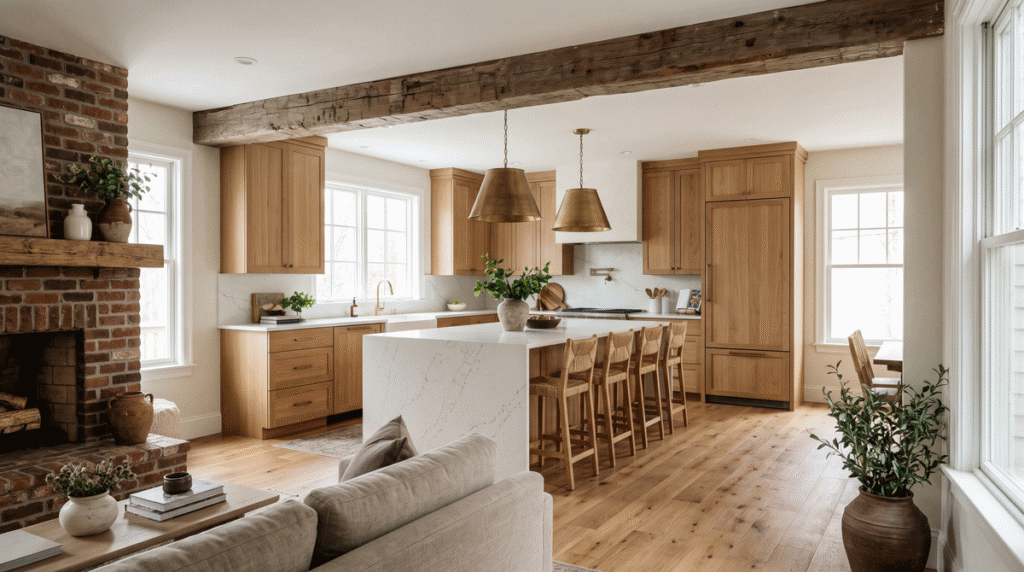
A remodel is often the better path when the bones of the house are good. Signs that remodeling may fit include:
The structure is sound. The foundation, framing, and roof are in good condition, and there are no major structural concerns that would need to be corrected first.
The problem is layout, not size. You have enough square footage, but the spaces don’t work together. Opening a kitchen, reworking a primary suite, or improving flow can make a dramatic difference.
The architecture is worth keeping. Some homes have character, proportions, or craftsmanship that would be difficult to recreate. A remodel can preserve what makes the home special.
You want to protect what’s already good. Mature landscaping, an established yard, and the home’s place in the neighborhood all have value that a remodel keeps intact.
When the existing house supports your goals, a remodel lets you invest in the parts that matter most without starting over.
When Can a New Custom Home Offer More Flexibility?
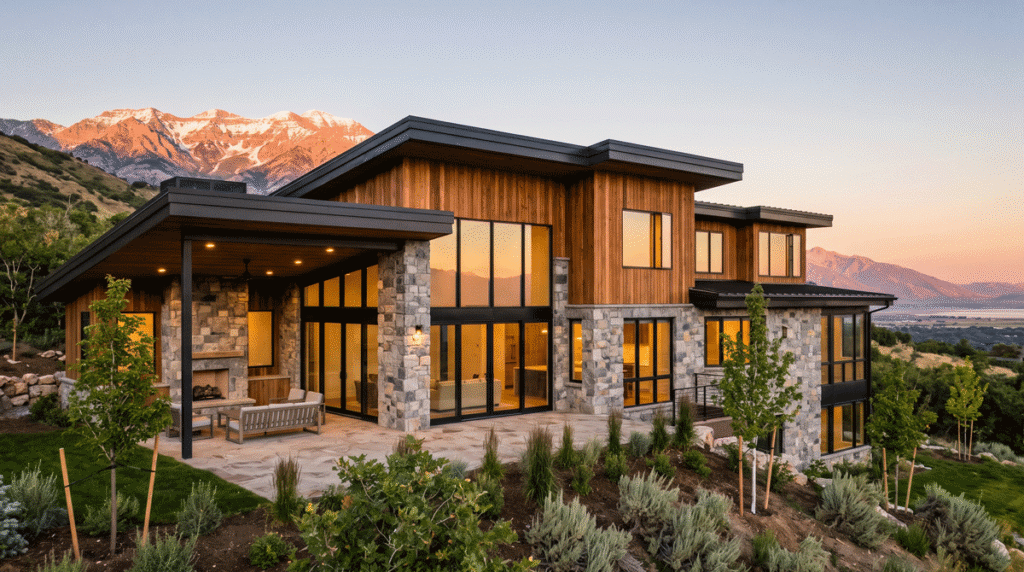
A new custom home can be the stronger choice when the existing structure limits the outcome you want. Consider building new when:
The structure has significant issues. Foundation problems, failing framing, or other structural concerns can make a remodel more complicated than it first appears.
The layout can’t be fixed within the existing footprint. If almost every room needs to move, the existing walls may be working against you rather than for you.
You want modern systems throughout. Building new allows the insulation, mechanical systems, electrical, and plumbing to be designed together from the start, rather than fitted into an older structure.
The site deserves a different home. Sometimes the house simply doesn’t take advantage of the lot. A new home can be oriented for views, sun, and the way your family lives.
A new build starts with your lot, your goals, and your budget, and the house comes out of those inputs. You can read more about how we approach that on our custom homes page.
How Should Structural Limits and Site Value Affect the Decision?
These two factors often carry the most weight.
Structural limits. Every existing home has constraints. Bearing walls, ceiling heights, foundation type, and roof structure all determine what can change without major work. A remodel that requires moving many bearing walls, raising ceilings, or reinforcing the foundation can approach the scope of a new build. That doesn’t make it the wrong choice, but it changes the comparison.
Site value. The lot itself may be the most valuable part of the property. A home in an established neighborhood, close to family, schools, or a favorite trailhead, carries value that’s hard to replace. When the location is irreplaceable, both a major remodel and a new home on the same lot keep you there. The question is which one gets you the home you want.
Additions as a middle path. Sometimes the answer is neither a full remodel nor a new home. If the main issue is a lack of space, an addition may solve it while keeping most of the existing house. You can explore that option on our additions services page.
What Should You Compare Before Choosing a Direction?
Before you decide, compare both paths across the same set of questions:
- Structural condition: What does the existing house need just to support the new plan?
- Layout goals: How much of the house would change in a remodel?
- Scope: Which systems, finishes, and spaces are included in each option?
- Disruption: Can you live in the home during the work, or will you need to move out?
- Timeline: How long would each path take, from design through completion?
- Long-term plans: How long do you plan to stay, and how will your needs change?
- Budget range: What does each path realistically require?
For an early planning range on a new build, try our custom home cost calculator. Our 2026 guide to custom home cost in Utah County explains what drives new-construction budgets in this market.
The most useful comparison comes from looking at the actual property. A builder and architect can walk the home, identify its constraints, and help you see what each path would really involve.
Choosing the Home You’ll Grow Into
Whether you reshape the home you have or build new on the land you love, the goal is the same. You want a home that fits your family today and still fits twenty years from now. The right choice is the one that gets you there with the fewest compromises.
Your Next Step
Schedule a project review with Summit to compare what your existing property can realistically become versus what a new custom build would allow. Request a discovery call with Summit Construction to walk through your home, your lot, and your goals. Call (801) 762-7500 or email brady@summitconstructionutah.com.
Frequently Asked Questions
Is remodeling always less disruptive than building new?
Not always. A major remodel can require moving out for an extended period, especially when kitchens, bathrooms, or systems are being replaced. Building new on a different lot lets you stay in your current home during construction, while rebuilding on the same lot requires temporary housing.
Can an addition solve the same problem as a major remodel?
Sometimes. If the real problem is a lack of space rather than a poor layout, an addition may solve it more directly. If the layout itself is the issue, an addition alone may not fix it. Many projects combine an addition with remodeling in the existing house.
What property constraints should be reviewed first?
Start with the structure, including the foundation, framing, and roof. Then review setbacks and buildable area, utilities, HOA or design review rules, and any site conditions that could affect new work.
When should a builder and architect be involved?
As early as possible, ideally before you commit to either direction. A builder and architect can evaluate the existing home, identify its limits, and help you compare a remodel and a new build based on the real property rather than assumptions.
About Summit Construction
Summit Construction is a custom home builder based in Springville, Utah, serving families across Utah County since 2011. Founded by Brady Jensen, the company is known for honest, itemized pricing, architect-collaborative design, and craftsmanship built to last for generations.